

Botanical Profiles: 8 Herbs for Anti-Inflammatory Support

Introduction to Anti-Inflammatory Herbs
Inflammation is a buzzword we hear a lot these days, and for good reason. It is the body's natural response to injury or illness, but when it becomes chronic, it can lead to serious health issues. Anti-inflammatory herbs are plants that help cool down this "fire" inside the body. These botanical allies support overall health by helping your immune system stay balanced. Instead of just masking symptoms, they work to address the underlying causes of swelling and pain. 🌿
At a cellular level, these herbs work by interacting with the body's chemical signals. They can stop the production of compounds that trigger inflammation, effectively calming the body's stress response. While modern medicine often relies on synthetic drugs, many of these herbs have been used in traditional medicine systems like Ayurveda and Traditional Chinese Medicine for thousands of years. Today, modern science is finally catching up, validating what ancient healers have known for centuries: nature has a powerful pharmacy of its own.
How Anti-Inflammatory Herbs Work in the Body
To understand how these herbs help, we need to look at what happens inside our cells. When the body is under stress, it releases inflammatory markers. These include things with complex names like C-reactive protein (CRP), tumor necrosis factor-alpha (TNF-α), and NF-κB molecules. Think of these markers as alarm bells ringing in your body. Anti-inflammatory herbs work by turning down the volume on these alarms. They inhibit the pathways that allow these markers to multiply, which helps reduce swelling, redness, and pain throughout the body.
The secret behind this power lies in the active compounds found within the plants. These herbs are packed with potent ingredients like polyphenols, flavonoids, and curcumin. These aren't just fancy words; they are the hardworking molecules that provide therapeutic effects. For example, flavonoids act as antioxidants that clean up harmful waste products in our cells. By targeting specific enzymes and pathways, these compounds help restore balance and promote healing from the inside out. 🧬
Turmeric: The Golden Root
Turmeric is arguably the most famous anti-inflammatory herb on the planet, often called the "Golden Root" because of its vibrant yellow color. The magic ingredient in turmeric is a compound called curcumin. In traditional Indian culture and Ayurvedic medicine, turmeric has been a staple for centuries, used in everything from curries to healing pastes for wounds. Modern science backs this up, showing that curcumin is incredibly effective at blocking the enzymes that cause inflammation, much like some over-the-counter pain relievers but without the harsh side effects.
When it comes to taking turmeric, you have plenty of options. You can take it as a capsule, mix the powder into a latte, or brew it as a tea. However, there is a catch: curcumin is not easily absorbed by the body on its own. To get the full benefits, it is best to pair turmeric with black pepper. Black pepper contains piperine, which can boost the absorption of curcumin by a massive amount. 🌶️ This is why high-quality supplements and traditional recipes almost always combine the two.
While turmeric is generally safe, it is important to know how to use it correctly. High doses can sometimes cause stomach upset or interact with blood-thinning medications. It is easy to start incorporating it into your daily routine by adding a teaspoon to soups, stews, or smoothies. For those looking for a more therapeutic dose, supplements are often the way to go, but always check the label for that crucial black pepper addition.
"An analysis of 16 studies in 1,010 participants found that taking 1,000–3,000 mg of ginger daily over 4–12 weeks significantly reduced markers of inflammation compared with a placebo. These markers included C-reactive protein (CRP) and tumor necrosis factor-alpha (TNF-α)." -Healthline
Ginger: The Warming Spice with Powerful Benefits
Ginger is a close cousin to turmeric and is another heavy hitter in the world of natural remedies. This knobby root contains over 100 active compounds, making it a versatile tool for health. The most notable compounds are gingerol, shogaol, zingiberene, and zingerone. These components work together to reduce inflammation across the body, particularly in the gut and joints. Ginger is famous for its warming sensation, which actually reflects its ability to stimulate circulation and clear out inflammatory toxins.
You can find ginger in many forms, from the fresh root in the produce aisle to dried powders, teas, and concentrated extracts. Clinical research suggests that taking between 1,000 and 3,000 mg of ginger daily can significantly lower inflammation markers. It is a favorite remedy for people suffering from osteoarthritis because it helps improve mobility and reduce pain. Plus, it tastes great! 🍵
Beyond its medicinal use, ginger is a star in the kitchen. It adds a spicy kick to stir-fries and baked goods. Medicinally, it pairs beautifully with other anti-inflammatory herbs. For example, brewing a tea with both ginger and turmeric creates a potent anti-inflammatory elixir. Whether you are grating fresh root into hot water or taking a daily supplement, ginger is an accessible and effective way to support your body.
Rosemary: Mediterranean Herb for Brain and Joint Health
Rosemary is more than just a tasty herb for your roasted potatoes; it is a powerhouse of polyphenols. Two of its most active compounds are rosmarinic acid and carnosic acid. These compounds are excellent at targeting inflammation, specifically in the gastrointestinal tract and the joints. This makes rosemary a great choice for people dealing with digestive issues or stiffness. It brings the healthy vibes of the Mediterranean diet right into your medicine cabinet.
"Turmeric is packed with over 300 active compounds. The main one is an antioxidant called curcumin, which has powerful anti-inflammatory properties and can block the activation of NF-κB, a molecule that activates genes that promote inflammation." -Healthline
Exciting new research is also looking at how rosemary affects the brain. Studies suggest that it can help reduce brain inflammation, which supports cognitive function and memory. Historically, students in ancient Greece would wear sprigs of rosemary to help them study, and it turns out they were onto something! Today, you can get these benefits through culinary use, teas, or standardized extracts found in supplements.
For those dealing with rheumatic diseases or chronic pain, rosemary can be a gentle yet effective support. Clinical research indicates that the antioxidants in rosemary help protect tissues from damage caused by chronic inflammation. It is a wonderful example of how a common garden herb can have profound health benefits when used intentionally.
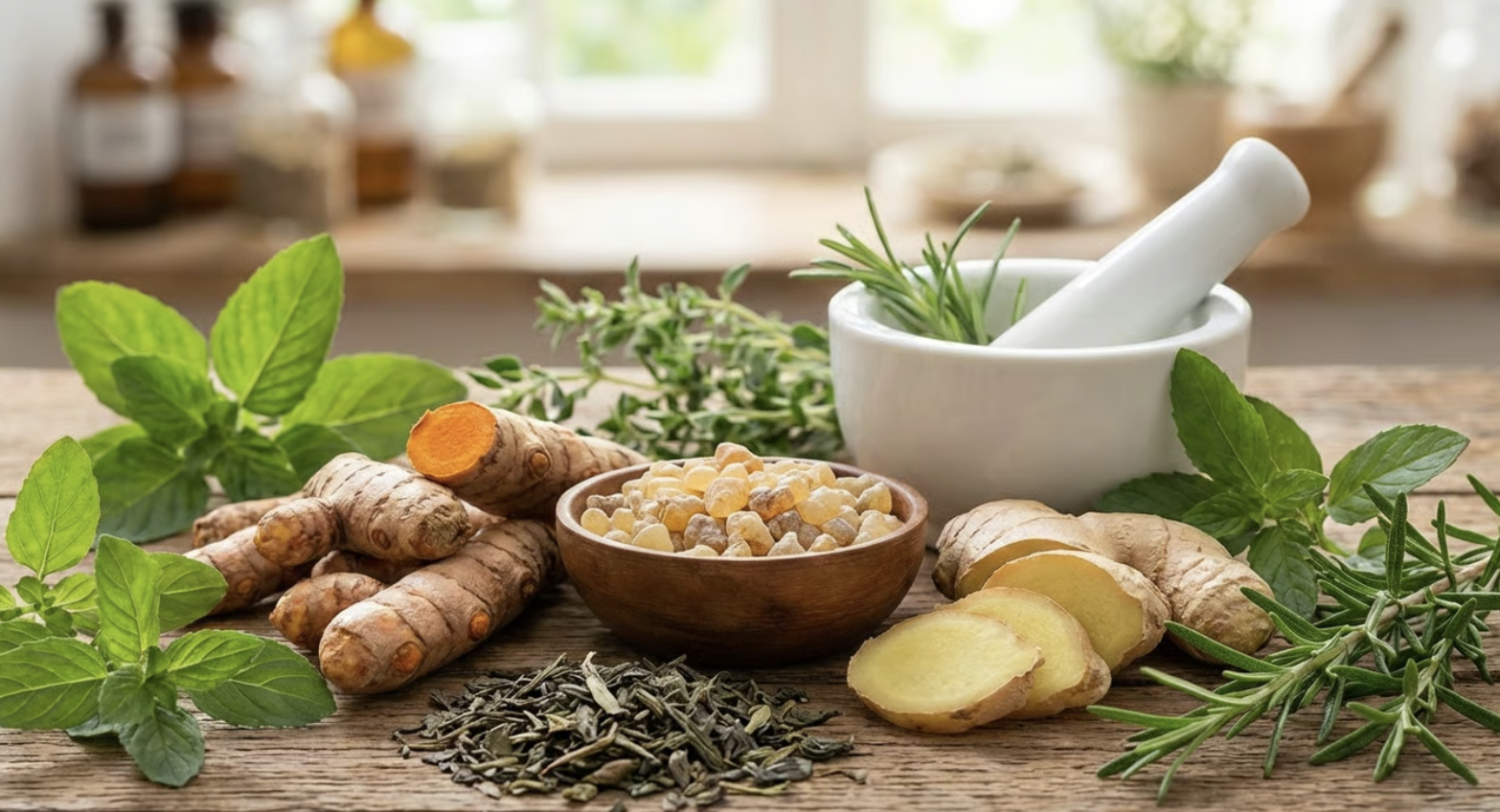
Additional Potent Anti-Inflammatory Herbs
Ashwagandha and Holy Basil
Stress is a major cause of inflammation, and that is where adaptogens like ashwagandha come in. Ashwagandha helps the body manage stress by lowering cortisol levels. When cortisol is high for too long, it creates inflammation, so by managing stress, you are also managing swelling and pain. Holy Basil, also known as Tulsi, is another adaptogen often called the "Queen of Herbs" in Ayurveda. It has immunomodulatory effects, meaning it helps balance the immune system so it doesn't overreact and cause inflammation.
These herbs are particularly useful for people whose inflammation is triggered by a busy, stressful lifestyle. Combining ashwagandha and holy basil can create a synergistic effect, calming the mind while cooling the body. They are often found in stress-relief tea blends or capsule formulas designed to support adrenal health and reduce systemic inflammation. 🧘♀️
"Boswellia species produce a gum resin called olibanum, better known as frankincense, which possesses anti-inflammatory, anti-arthritic, and analgesic properties by inhibiting 5-LOX, thus affecting various inflammatory diseases perpetuated by leukotrienes." -NIH PMC
Chamomile, Calendula, and Echinacea
Chamomile is famous for sleep, but early American doctors also valued it for its ability to soothe the digestive tract and joints. It is helpful for conditions like osteoarthritis and ulcerative colitis. Calendula, with its bright orange flowers, is rich in linoleic acid. It is incredible for healing wounds and soothing dermatitis or skin inflammation. Then there is Echinacea, widely known for fighting colds. However, it also has strong properties that can alleviate various types of inflammation, including the pain associated with rheumatoid arthritis.
These herbs are available in many forms. Chamomile is most commonly enjoyed as a tea, while calendula is often applied topically as a cream or oil for skin issues. Echinacea is frequently taken as a tincture or capsule. Traditional preparation methods, like steeping the flowers or roots, help extract the delicate oils and compounds that provide relief.
Boswellia, Licorice Root, and White Willow Bark
Boswellia serrata, also known as frankincense, is an ancient remedy that is amazing for joint health. It works by inhibiting leukotrienes, which are molecules that cause inflammation in the body. Licorice root is another classic herb, used for centuries to soothe gastrointestinal issues thanks to its rich flavonoid content. Finally, White Willow Bark is often called "nature's aspirin." Its use dates back to ancient civilizations, and it contains salicin, which works similarly to aspirin to relieve pain and reduce swelling.
Each of these herbs targets specific conditions. Boswellia is great for knees and hips, Licorice is perfect for the stomach, and White Willow Bark helps with general aches. Combining these botanicals can provide a broad spectrum of relief. If you are unsure which combination is right for you, the experts at https://www.thenaturedoctors.ca can provide guidance on services related to "Botanical Profiles: 8 Herbs for Anti-Inflammatory Support" to create a plan that fits your needs.
"Eating anti-inflammatory foods and using anti-inflammatory herbs help reduce the risk of disease and maintain optimal health. Some of the best anti-inflammatory herbs include ashwagandha, holy basil, cilantro, parsley and St. John's wort." -Dr. Axe
Forms and Administration of Anti-Inflammatory Herbs
Anti-inflammatory herbs come in a variety of shapes and sizes, and the form you choose matters. You can find them as alcohol-based tinctures, dried powder capsules, loose-leaf teas, topical creams, and essential oils. Tinctures and capsules are generally more concentrated and offer a higher therapeutic dose, which is great for chronic conditions. Teas are gentler and excellent for maintenance or digestive issues. Topical creams allow you to target a specific sore knee or elbow directly, bypassing the digestive system entirely.
To get the most out of these herbs, consistency is key. It is usually better to take a smaller dose regularly than a huge dose once in a while. When incorporating them into your wellness routine, pay attention to the instructions. Some herbs, like turmeric, need fat or black pepper for absorption, while others are best taken on an empty stomach. Always follow the dosing recommendations on the bottle or those provided by a professional to ensure you are getting maximum efficacy.
Combining Herbs: Synergistic Anti-Inflammatory Protocols
One of the coolest things about herbal medicine is synergy—the idea that 1 + 1 = 3. When you combine certain herbs, they can boost each other's effects. We already mentioned turmeric and black pepper, but there are other great teams. For instance, pairing ginger with turmeric can cover more inflammatory pathways than either herb alone. Rosemary works well with other Mediterranean herbs like oregano to support overall health.
However, mixing herbs requires a bit of knowledge. Different herbs target different body systems. If you have a specific condition, like arthritis or inflammatory bowel disease, a custom blend is often the most effective approach. This is why it is so important to consult with healthcare providers before creating your own multi-herb cocktail. They can help you avoid negative interactions and build a protocol that is safe and effective.
"Common side effects of certain anti-inflammatory herbs may include bloating, gas, heartburn, and nausea, making it important to start with smaller doses and monitor individual tolerance." -University of Rochester Medical Center
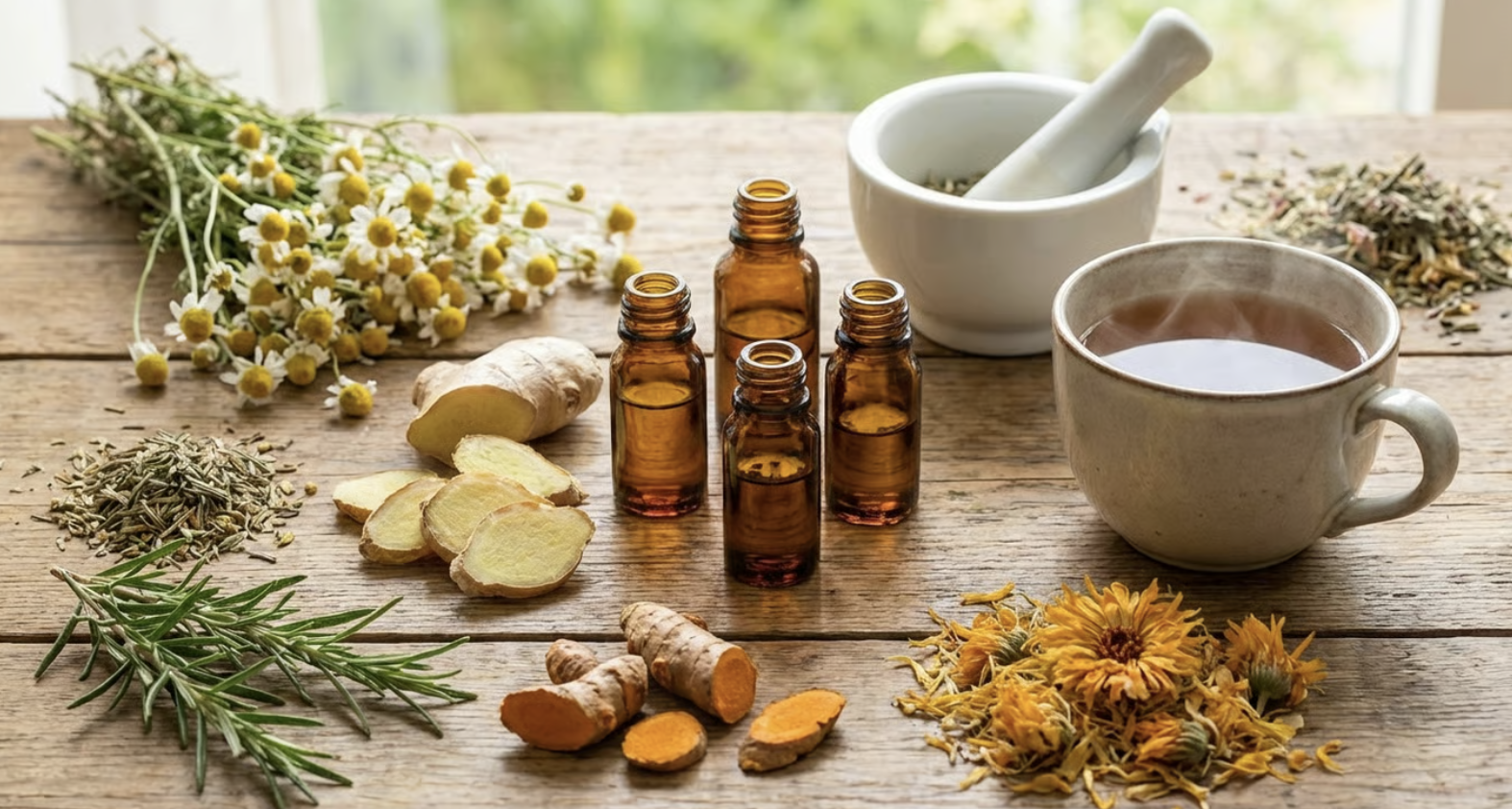
Safety Considerations and Potential Side Effects
Just because something is natural doesn't mean it is free of side effects. Common issues with anti-inflammatory herbs can include bloating, gas, heartburn, or nausea, especially if taken in high doses. Some people may also have allergic reactions to plants in the daisy family, like chamomile or echinacea. It is important to listen to your body and stop taking anything that makes you feel worse.
More importantly, herbs can interact with pharmaceutical drugs. For example, blood thinners, diabetes medications, and blood pressure drugs can all be affected by potent herbs like ginger, turmeric, or white willow bark. If you are taking prescription medication or have a specific health condition, consulting with a qualified healthcare practitioner is critical. They can ensure your herbal protocol supports your health without interfering with your other treatments. ⚠️
Lifestyle Integration: Supporting Anti-Inflammatory Benefits
Herbs are powerful, but they can't do all the work alone. They work best when they are part of a healthy lifestyle. You can't supplement your way out of a diet full of processed foods and sugar. To truly lower inflammation, combine these herbs with a diet rich in vegetables, fruits, and healthy fats. Exercise, quality sleep, and stress management are also non-negotiable parts of the puzzle. When you sleep well and move your body, you lower your baseline inflammation, making the herbs even more effective.
Try to integrate these changes into your daily routine. Start your morning with a turmeric latte, add ginger to your lunch, and sip chamomile tea before bed. Meal planning can help you ensure you are getting a steady stream of anti-inflammatory foods and herbs throughout the day. By stacking these healthy habits, you create a cumulative effect that supports long-term vitality.
FAQ: Common Questions About Anti-Inflammatory Herbs
1. How long does it take to see results from anti-inflammatory herbs?
Patience is a virtue when it comes to herbal medicine. Unlike a fast-acting painkiller, herbs work to balance the body over time. Research suggests it typically takes anywhere from 4 to 12 weeks to see measurable changes in inflammatory markers. However, you might feel subjective improvements, like less stiffness or better digestion, sooner than that. Everyone is different, and results depend on the dosage, the quality of the herb, and your overall health status.
2. Can I take multiple anti-inflammatory herbs together?
Yes, taking multiple herbs together is often beneficial due to synergistic effects, but it must be done carefully. Many traditional formulas combine herbs to target inflammation from different angles. However, taking too many supplements at once can overwhelm your system or increase the risk of interactions. It is always best to consult with a healthcare provider to create a safe stack that works for your specific needs.
3. Are anti-inflammatory herbs safe for long-term use?
generally, many culinary herbs like turmeric and ginger are safe for long-term use when consumed in normal food amounts or moderate supplement doses. However, some herbs, like licorice root or goldenseal, are better suited for short-term use and should be cycled. Monitoring your body for any adverse effects is important, and taking periodic breaks from supplements is a common practice in herbal medicine.
4. Which anti-inflammatory herb is best for joint pain specifically?
If your main concern is joint pain, Turmeric, Boswellia, and Rosemary are your top contenders. Turmeric and Boswellia are widely researched for their ability to improve mobility and reduce pain in osteoarthritis and rheumatoid arthritis. Rosemary adds another layer of support by targeting tissue inflammation. These herbs specifically target the musculoskeletal system more effectively than others.
5. Can anti-inflammatory herbs replace my current medications?
No, anti-inflammatory herbs should be viewed as complementary to your prescribed medications, not direct replacements. Stopping medication without medical supervision can be dangerous. The goal is to work with your healthcare provider to develop an integrated plan. In some cases, lifestyle changes and herbal support may eventually reduce the need for medication, but this decision must always be made by a doctor.
Conclusion
In this article on Botanical Profiles: 8 Herbs for Anti-Inflammatory Support, we have explored some of nature's most powerful healers. From the golden hues of turmeric to the warming spice of ginger and the brain-boosting power of rosemary, these herbs offer a natural way to manage inflammation. We have seen how they work at a cellular level to calm the body and support systems ranging from the gut to the joints. While each herb is potent on its own, combining them with a healthy lifestyle creates a comprehensive approach to wellness that is hard to beat.
If you are ready to take control of your health, consider this your starting point. However, every body is unique. To get the best results, it is highly recommended to consult with qualified healthcare practitioners who can tailor a protocol just for you. Remember the key takeaways: (1) anti-inflammatory herbs contain powerful active compounds backed by scientific research, (2) different herbs target specific body systems and inflammatory conditions, (3) forms range from culinary applications to concentrated supplements, (4) combining herbs may enhance efficacy, and (5) integration with lifestyle factors maximizes benefits. Taking a proactive, plant-based approach to inflammation can be a transformative step toward long-term health and vitality. 🌿