

Choosing Between Class IV Laser Therapy and PEMF: What You Need to Know
In the world of regenerative medicine and pain management, two therapies have been gaining significant attention: Class IV Laser Therapy and Pulsed Electromagnetic Field (PEMF) therapy. These innovative treatments are reshaping how we approach healing, offering non-invasive solutions for acute injuries, chronic pain, and systemic wellness. However, understanding the differences between these modalities is crucial for both patients and practitioners. Each therapy operates on unique principles, making them suitable for specific conditions and treatment goals. By learning about their mechanisms, benefits, and limitations, you can make an informed decision that aligns with your health needs. 🌱✨
This article will explore the science behind Class IV Laser Therapy and PEMF, compare their effectiveness, and provide guidance on choosing the right option for your condition. Whether you're dealing with an acute injury or managing a chronic illness, knowing the strengths and limitations of these therapies can help you achieve better outcomes. Plus, we'll touch on how combining these treatments might offer even greater benefits. Let’s dive in! 💡📚
How Class IV Laser Therapy Works
Class IV Laser Therapy operates through a process called photobiomodulation, where specific wavelengths of light stimulate cellular activity. These lasers use red and near-infrared wavelengths, typically ranging from 600 to 1000 nanometers, to penetrate deep into tissues. This depth of penetration allows the laser to target areas beneath the skin, such as muscles, tendons, and nerves, promoting healing at the source. The ability of Class IV lasers to deliver high-powered light energy makes them particularly effective for treating larger areas and deeper tissues. 🌟
At the cellular level, Class IV lasers work by stimulating cytochrome C oxidase, a key enzyme in the mitochondrial electron transport chain. This stimulation enhances ATP production, which is the energy currency of cells. Increased ATP levels fuel cellular processes, accelerating tissue repair, reducing inflammation, and relieving pain. Essentially, the laser "supercharges" the mitochondria, enabling cells to perform their functions more efficiently. This mechanism is why Class IV Laser Therapy is so effective for conditions like arthritis, tendonitis, and neuropathic pain. 🔋💡
Treatment parameters for Class IV Laser Therapy are tailored to the patient's condition and the area being treated. Sessions typically last between 5 and 15 minutes, making it a convenient option for busy individuals. The wavelength and power density are adjusted based on the depth of the target tissue and the desired therapeutic effect. For example, higher power settings may be used for deeper tissues, while lower settings are ideal for superficial injuries. At clinics like The Nature Doctors, trained practitioners ensure that each session is customized to maximize results. ⏰🎯
How PEMF Therapy Works
PEMF therapy, on the other hand, uses low-frequency electromagnetic fields to interact with tissues at the cellular level. These fields modulate cellular function by influencing ion channels, which are essential for maintaining the cell's electrical balance. Unlike Class IV lasers, which rely on light, PEMF therapy harnesses electromagnetic energy to create systemic effects throughout the body. This makes it particularly effective for addressing broader health concerns beyond localized pain. 🧲⚡
The cellular effects of PEMF therapy include enhanced membrane potential, improved mitochondrial activity, and increased ATP production. By modulating ions like calcium, potassium, and sodium, PEMF stabilizes the cell's electrical potential, ensuring optimal functioning. This stabilization supports cellular repair, reduces oxidative stress, and promotes overall wellness. Additionally, PEMF therapy stimulates angiogenesis—the formation of new blood vessels—which improves oxygen and nutrient delivery to injured tissues. These mechanisms contribute to its long-term healing benefits. 🩺🌱
A typical PEMF session lasts between 20 and 60 minutes, depending on the condition being treated. Patients often require 10 to 20 sessions to achieve optimal results, especially for chronic conditions. While the longer duration may require more commitment, the systemic effects of PEMF therapy make it a valuable tool for addressing underlying health issues. Clinics like The Nature Doctors integrate PEMF into comprehensive treatment plans, ensuring patients receive sustained benefits over time. ⏳💪
Key Differences Between Class IV Laser and PEMF
One of the primary distinctions between Class IV Laser Therapy and PEMF lies in their treatment mechanisms and depth of penetration. Class IV lasers use coherent light to stimulate photochemical reactions within cells, targeting specific areas with precision. This makes them ideal for treating localized issues like joint pain, muscle strains, and nerve damage. In contrast, PEMF employs electromagnetic fields to modulate cellular function systemically, affecting the entire body rather than just a single area. While both therapies enhance ATP production, they do so through different pathways, offering complementary benefits. 🔬🌍
"Class 4 Laser Therapy uses coherent light to stimulate photochemical reactions, penetrating deeply and treating large areas, required for effective treatment of peripheral neuropathy" -Dr. Phil Harrington
Treatment duration and session frequency also differ significantly between the two modalities. Class IV laser sessions are relatively short, lasting only 5 to 15 minutes, and are often administered multiple times per week. PEMF sessions, however, can take 20 to 60 minutes, requiring a greater time commitment from patients. This difference in session length reflects the distinct mechanisms of action—Class IV lasers provide rapid, targeted relief, while PEMF offers gradual, systemic support. Understanding these variations helps tailor treatment plans to individual needs. ⏰📊
When it comes to speed of results, Class IV Laser Therapy shines for acute conditions. Its ability to quickly reduce inflammation and alleviate pain makes it a go-to option for injuries, post-surgical recovery, and neuropathic pain. Patients often experience noticeable improvements after just one or two sessions. On the other hand, PEMF therapy takes longer to show clinical outcomes but excels in addressing chronic conditions and promoting long-term wellness. This slower yet sustained approach is perfect for patients seeking holistic healing. 🚀⏳
Clinically, Class IV lasers are best suited for acute and localized issues, such as sprains, fractures, and inflammatory disorders. PEMF therapy, meanwhile, is more appropriate for systemic conditions like osteoporosis, chronic pain, and overall wellness enhancement. By understanding these differences, practitioners can recommend the most effective therapy—or combination of therapies—for each patient. At The Nature Doctors, personalized care ensures that every individual receives the right treatment for their unique situation. 🎯🌟
"PEMF improves ion exchange and membrane potential over time, while Class IV lasers initiate cellular signaling cascades that sustain healing" -The Longevity Center FL
Class IV Laser Therapy: Benefits and Applications
Class IV Laser Therapy offers numerous benefits, including rapid pain relief and inflammation reduction. By modulating pro-inflammatory cytokines like TNF-α and IL-6, this therapy effectively alleviates discomfort associated with conditions such as arthritis, tendonitis, and neuropathic pain. Patients often report immediate improvements in mobility and reduced swelling after treatment. This quick response is particularly valuable for those dealing with acute injuries or post-operative recovery. 😊🏃♂️
In addition to pain relief, Class IV Laser Therapy promotes tissue repair through enhanced collagen synthesis and nerve regeneration. The therapy stimulates the production of type I and type III collagen, which are essential for wound healing and tissue strength. It also induces the release of growth factors, further supporting nerve repair and reducing inflammation. These regenerative effects make it a powerful tool for addressing musculoskeletal injuries and chronic conditions. 🌱💪
Another advantage of Class IV Laser Therapy is its versatility and safety profile. It can be safely applied over irregular bony surfaces, open wounds, fractures, and even metal implants, making it accessible to diverse patient populations. With minimal discomfort and virtually no side effects, this therapy is suitable for all age groups. Clinics like The Nature Doctors leverage these benefits to provide safe, effective treatments tailored to each patient's needs. 👨👩👧👦🔒
"For acute pain, Class 4 lasers are preferred, while shockwave therapy is better for chronic, localized issues, and PEMF suits systemic or chronic conditions" -Dr. Phil Harrington
PEMF Therapy: Benefits and Applications
PEMF therapy provides a range of benefits, particularly for improving systemic cellular health and supporting long-term wellness. By promoting anti-inflammatory cytokine production, it helps reduce chronic inflammation and supports the body's natural healing processes. This makes it an excellent choice for patients seeking sustained health improvements rather than just immediate relief. 🌿❤️
One of the standout applications of PEMF therapy is its FDA approval for treating non-union fractures and osteoporosis. By stimulating osteogenesis—the formation of new bone tissue—it accelerates bone healing and strengthens skeletal structures. This capability has made PEMF a trusted option for orthopedic and regenerative medicine. Additionally, its role in enhancing microcirculation aids in faster recovery from soft tissue injuries. 🦴🩹
For chronic pain management, PEMF therapy offers unparalleled advantages. Its ability to address systemic inflammation and promote sustained healing makes it ideal for conditions like fibromyalgia, arthritis, and chronic fatigue syndrome. While the results may take longer to manifest compared to Class IV Laser Therapy, the long-term benefits are well worth the investment. Patients who commit to regular PEMF sessions often experience profound improvements in their quality of life. 🏃♀️🌈
"Enhanced ATP production and collagen synthesis accelerate wound healing, muscle recovery, and cartilage repair" -Dr. Phil Harrington

Class IV Laser Therapy: Limitations and Considerations
While Class IV Laser Therapy is highly effective, it does come with certain safety requirements. Treatments must be conducted in a laser-safe environment, typically an enclosed room, to prevent accidental exposure to others. Both technicians and patients need to wear protective eyewear to avoid retinal damage from the high-powered light. Adherence to ANSI Z136.1 standards ensures safe and responsible use of this technology. 🛡️👀
Other considerations include the need for controlled environments, cost implications, and the importance of proper training for practitioners. High-quality equipment and skilled operators are essential for achieving optimal results. Additionally, while Class IV lasers are versatile, they may not be the best choice for systemic conditions that require broader healing support. Understanding these limitations helps set realistic expectations for treatment outcomes. 💼💰
PEMF Therapy: Limitations and Considerations
One of the main challenges with PEMF therapy is the longer treatment times required. Sessions can last anywhere from 20 to 60 minutes, and patients often need 10 to 20 sessions to see optimal results. This extended time commitment can affect patient compliance, especially for those with busy schedules or limited access to treatment facilities. Planning ahead and setting clear goals can help overcome this hurdle. ⏳🗓️
"Class 4 Laser Therapy is versatile, safe for all ages, and can be applied over metal implants, making it widely accessible" -Dr. Phil Harrington
Another consideration is the slower clinical outcomes compared to Class IV Laser Therapy. While PEMF provides profound long-term benefits, its gradual nature may not satisfy patients seeking immediate relief. Additionally, there are potential contraindications, such as pregnancy or certain medical devices, that need to be evaluated before starting treatment. Ensuring patient commitment and tailoring protocols to individual needs are key to success with PEMF therapy. 📉⚠️
Clinical Efficacy Comparison: What the Research Shows
Research comparing Class IV Laser Therapy and PEMF shows promising results for both modalities. Clinical trials have demonstrated significant pain relief and improved functionality in patients using either therapy. For instance, studies indicate that Class IV lasers excel in reducing acute pain and inflammation, while PEMF therapy provides more sustained benefits for chronic conditions. These findings highlight the importance of selecting the right therapy based on the specific condition being treated. 📊🔍
PEMF therapy has been shown to accelerate soft tissue healing, a conclusion supported by reviews in Bioelectromagnetics. Meanwhile, Class IV Laser Therapy has proven effective for peripheral neuropathy, with research confirming its role in nerve regeneration and inflammation reduction. Both therapies have their strengths, and understanding these nuances helps practitioners design targeted treatment plans. 🧪📚
"High-Intensity Class 4 Laser Therapy is a cutting-edge treatment that uses focused light energy to penetrate deep into tissues, stimulating cellular repair, reducing inflammation, and alleviating pain. The therapy is believed to enhance nerve regeneration and function by promoting cellular activity and reducing oxidative stress" -All Seasons Integrative
Overall, research suggests that the efficacy of these therapies is context-specific. Class IV lasers are superior for acute conditions requiring rapid intervention, while PEMF therapy shows better outcomes for chronic pain and systemic wellness. By leveraging the unique advantages of each modality, healthcare providers can optimize treatment protocols for their patients. 🎯🌟
Choosing the Right Therapy for Your Condition
For acute injuries and pain, Class IV Laser Therapy is often the best choice. Its ability to provide immediate relief, reduce inflammation, and accelerate tissue repair makes it ideal for conditions like sprains, strains, and post-surgical recovery. If you're looking for fast results and localized healing, this therapy should be your go-to option. 🏥⚡
On the other hand, PEMF therapy is better suited for chronic pain management and systemic wellness support. Conditions like osteoporosis, fibromyalgia, and chronic fatigue syndrome benefit greatly from PEMF's ability to promote long-term healing and improve overall health. Patients requiring sustained therapeutic benefits will find PEMF to be a valuable addition to their treatment plan. 🌍🌿
"By combining PEMF and Class IV laser therapy, the regenerative effects are amplified, creating a synergistic environment for healing" -The Longevity Center FL
Several factors should influence your decision, including patient age, overall health status, presence of metal implants, and access to treatment facilities. Younger patients or those with acute injuries may prefer the quick results of Class IV Laser Therapy, while older adults or those with chronic conditions might benefit more from PEMF's gradual, systemic approach. Consulting with a qualified practitioner can help determine the best fit for your needs. 👨⚕️👩⚕️
In some cases, combining both therapies can yield the best results. By integrating Class IV Laser Therapy and PEMF, patients can enjoy the synergistic effects of dual mechanisms, addressing both localized and systemic issues simultaneously. This combined approach is particularly effective in regenerative medicine, where accelerated healing and comprehensive care are priorities. 🤝💡
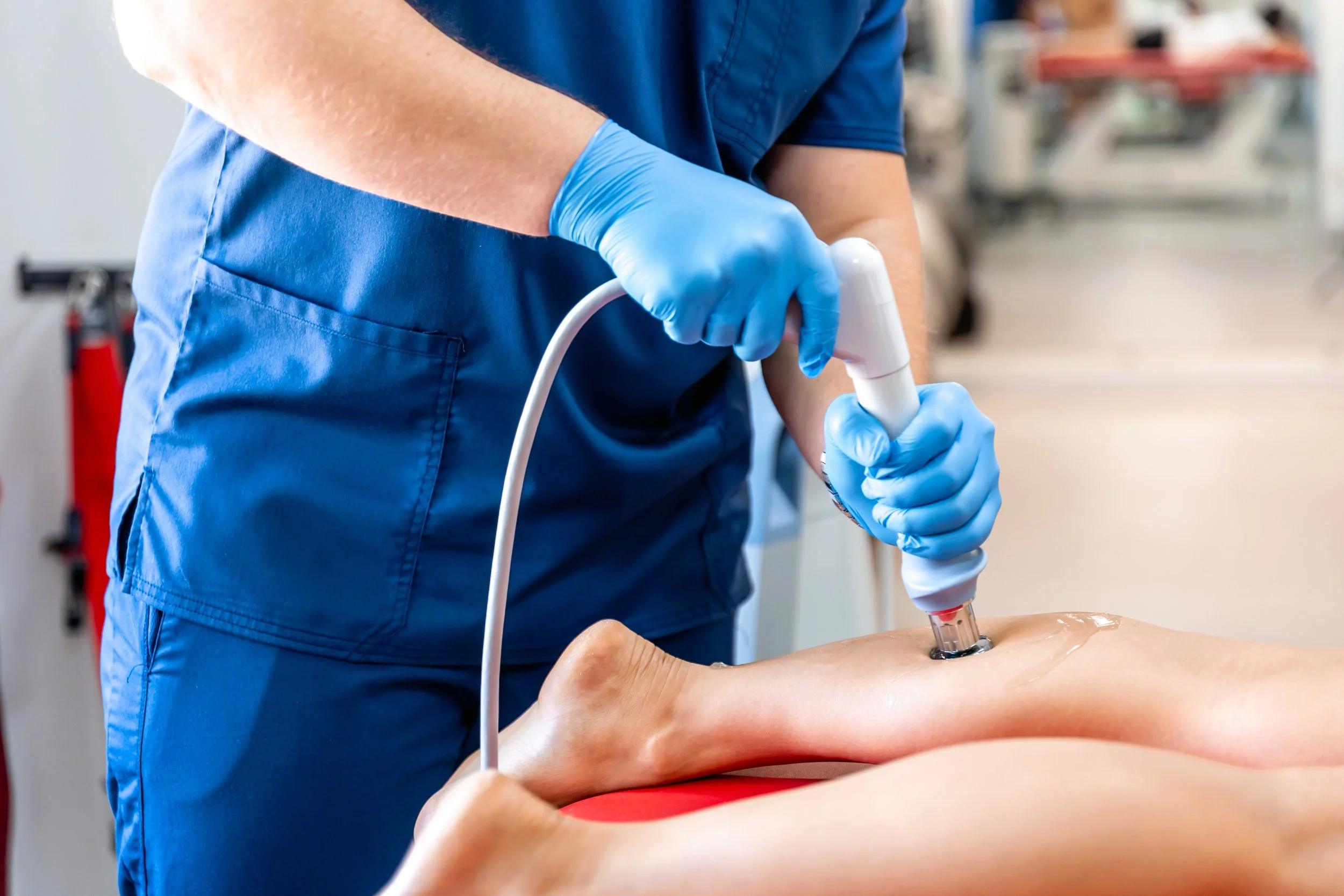
Combining Class IV Laser and PEMF for Enhanced Results
Combining Class IV Laser Therapy and PEMF creates a powerful synergy that amplifies healing potential. Both therapies enhance ATP production but through different mechanisms—PEMF via ion channel modulation and laser therapy via mitochondrial stimulation. This dual approach ensures that cells have ample energy to repair and regenerate, leading to faster and more complete recovery. 🌟🔋
"Studies have shown that PEMF can accelerate healing in soft tissue injuries and reduce recovery times in orthopedic conditions. A 2013 review in Bioelectromagnetics confirmed its efficacy in improving cellular function and reducing inflammation" -The Longevity Center FL
Together, these therapies address inflammation at multiple levels. While PEMF regulates systemic inflammation by modulating cytokine activity, Class IV Laser Therapy targets localized inflammation at the treatment site. This multi-layered approach not only reduces swelling and pain but also improves microcirculation through complementary mechanisms. The result is optimized cellular receptivity to biological treatments, enhancing overall healing efficiency. 🩸💧
Integrated treatment protocols that combine both modalities are increasingly being used in regenerative medicine. For example, combining Class IV Laser Therapy and PEMF with amniotic tissue injections can optimize outcomes for conditions like osteoarthritis and tendon injuries. By leveraging the strengths of each therapy, practitioners can design comprehensive treatment plans that maximize therapeutic benefits and accelerate recovery. 🧬💉
Patient Suitability and Population Considerations
Class IV Laser Therapy is known for its versatility and safety across diverse patient populations. It can be safely applied to patients of all ages, including children and seniors, and is compatible with metal implants, irregular bony surfaces, and open wounds. This wide accessibility makes it a popular choice for various clinical settings, ensuring that everyone can benefit from its healing properties. 👶👴
PEMF therapy, while equally effective, suits patients who can commit to longer treatment sessions and extended care programs. Its systemic effects make it ideal for individuals managing chronic conditions like osteoporosis, fibromyalgia, and autoimmune disorders. Patients who prioritize long-term wellness and are willing to invest time in their recovery will find PEMF therapy to be a worthwhile option. 🕰️🌱
Contraindications, patient preferences, and treatment facility capabilities should all be considered when selecting a therapy. For example, pregnant women or individuals with certain medical devices may need to avoid PEMF therapy. Similarly, those with acute injuries may prefer the faster results of Class IV Laser Therapy. Matching therapy selection to individual needs ensures the best possible outcomes and patient satisfaction. 🎯😊
Frequently Asked Questions
1. Which therapy works faster for pain relief?
Class IV laser therapy typically provides more immediate pain relief and faster results for acute pain, inflammation, and neuropathic conditions. PEMF therapy works more gradually but provides sustained long-term benefits, making it better suited for chronic pain management. 🏃♂️⏳
2. Can I use both Class IV laser and PEMF together?
Yes, combining Class IV laser therapy and PEMF creates synergistic effects that amplify healing. Both therapies enhance ATP production through different mechanisms and address inflammation at multiple levels, making them ideal complements for comprehensive treatment protocols, especially in regenerative medicine. 🤝💡
3. How many treatment sessions will I need?
Class IV laser therapy typically requires shorter, more frequent sessions lasting 5-15 minutes, with fewer total sessions needed for acute conditions. PEMF therapy requires longer sessions of 20-60 minutes and generally needs 10-20 sessions for optimal results, depending on the condition being treated. ⏰📊
4. Is Class IV laser therapy safe?
Class IV laser therapy is very safe and well-tolerated across all age groups when administered in proper laser-safe environments with appropriate protective eyewear. It has minimal discomfort and virtually no side effects, and it can be safely applied over metal implants, irregular bony surfaces, and open wounds. 🛡️👀
5. Which therapy is better for chronic conditions?
PEMF therapy is generally better suited for chronic conditions because it provides systemic healing support, promotes long-term wellness, and supports FDA-approved applications like bone healing and osteoporosis treatment. However, combining PEMF with Class IV laser therapy for localized inflammation may provide optimal results for chronic musculoskeletal and neuropathic conditions. 🌍🌿
Conclusion
Choosing between Class IV Laser Therapy and PEMF ultimately depends on the specific condition, patient population, and treatment goals. While Class IV lasers excel in providing rapid pain relief and reducing inflammation for acute injuries, PEMF therapy offers systemic healing and long-term wellness support for chronic conditions. Neither therapy is universally superior; instead, their distinct mechanisms and applications make them complementary tools in modern medicine. Understanding these differences empowers patients and practitioners to make informed decisions that optimize treatment outcomes and satisfaction. 🎯🌟
Emerging evidence highlights the benefits of combining these therapies for enhanced results. By integrating Class IV Laser Therapy and PEMF, practitioners can address both localized and systemic issues, creating comprehensive treatment protocols that accelerate healing and promote overall well-being. This synergistic approach is particularly valuable in regenerative medicine, where maximizing therapeutic benefits is paramount. As research continues to evolve, the potential for innovative treatment combinations grows, offering exciting possibilities for the future of healthcare. 🧬💡
If you're considering these therapies, we encourage you to consult with qualified healthcare practitioners who can assess your specific condition, treatment goals, and medical history. Scheduling a consultation with experts like those at The Nature Doctors can help you explore personalized treatment plans that leverage the strengths of both Class IV Laser Therapy and PEMF for maximum therapeutic benefit and accelerated recovery. Take the first step toward your healing journey today! 🌱💪