

Red Light Therapy Explained: Healing from Within
What Is Red Light Therapy and How Does It Work?
Red light therapy (RLT), often referred to scientifically as photobiomodulation, is a non-invasive treatment that uses low-level wavelengths of light to resolve skin issues, relieve pain, and promote healing. Unlike the damaging ultraviolet (UV) rays from the sun or tanning beds, RLT is safe and gentle on the skin. This therapy typically utilizes specific wavelengths of light ranging from 630 to 850 nanometers. These specific wavelengths are unique because they can penetrate deep into the skin without creating heat, distinguishing this therapy from lasers or intense pulsed light treatments that rely on thermal energy to work.
To understand how this works, we need to look at the cellular level. When red light hits your body, it is absorbed by the mitochondria, which are often called the "powerhouses" of your cells. This absorption stimulates a specific protein called cytochrome c oxidase. Consequently, this interaction helps the mitochondria produce more adenosine triphosphate (ATP). ATP is essentially the fuel your cells need to function. With more energy, your cells can do their jobs more effectively, repairing damage and rejuvenating themselves much faster than usual. ⚡
Interestingly, the roots of this modern therapy go back to space exploration. In the 1990s, NASA scientists began researching red light technology to grow plants in space. During these experiments, they noticed that the scientists' hands were healing faster from cuts and scratches while working with the lights. This accidental discovery led to rigorous research into how red light therapy could help astronauts with wound healing in zero-gravity environments. Today, that same technology has been refined for clinical applications to help people heal right here on Earth.
The Science Behind Cellular Energy and Recovery
When your cells produce more ATP, it is like upgrading the engine in a car; everything runs smoother and more powerfully. This boost in cellular energy strengthens the mitochondria, allowing cells to function at their highest efficiency. The process involves increasing the transportation of electrons and boosting oxygen consumption within the cell. As a result, the body can perform its natural functions—such as repairing tissue and fighting off illness—with much greater speed and effectiveness.
In addition to boosting energy, red light therapy plays a crucial role in reducing oxidative stress. Oxidative stress happens when there is an imbalance between free radicals (unstable atoms that can damage cells) and antioxidants in your body. By helping to restore this balance, red light therapy prevents cellular damage and lowers inflammation. This creates an internal environment that supports the body's natural healing processes, allowing you to recover from injuries and stress more effectively. 🛡️
Skin Health and Anti-Aging Benefits
One of the most popular uses for red light therapy is improving skin health and fighting the signs of aging. By stimulating collagen production, red light helps to plump up the skin, smoothing out wrinkles and improving overall complexion. Collagen is the protein responsible for keeping our skin firm and youthful, but our natural production slows down as we age. Fortunately, there are now many FDA-cleared devices available for home use, making it easier than ever to maintain a youthful glow.
Beyond general anti-aging, RLT is effective for treating specific skin concerns. It can help fade dark spots, correct discoloration, reduce fine lines, and tighten loose skin. For those looking for enhanced results, combining red light therapy with other treatments like microneedling or chemical peels can be very effective. If you are looking for professional guidance on these combinations, experts at The Nature Doctors can provide services related to Red Light Therapy Explained: Healing from Within to help you achieve your skin goals.
"This red light exposure may produce a positive biochemical effect in your cells that strengthens the mitochondria, where the cell’s energy is created. RLT may do this by increasing the transportation of electrons, oxygen consumption, and levels of ATP (adenosine triphosphate)." -Healthline
The results of consistent treatment are backed by clinical evidence. Studies have shown significant improvements in skin smoothness and collagen density after about three months of regular use. It is important to note that while the results are impressive, maintenance is key. Once therapy is stopped, the natural aging process will eventually resume, so ongoing maintenance treatments are often recommended to keep that radiant look. ✨
Pain Relief and Inflammation Reduction
For those suffering from nagging aches, red light therapy offers a drug-free path to relief. It works by significantly lowering inflammation in the treated areas and increasing blood flow, which helps flush out pain-causing chemicals. This has proven effective for a variety of conditions, including rheumatoid arthritis, fibromyalgia, knee osteoarthritis, and chronic low back pain. By addressing the root cause of the pain—inflammation—it provides more than just a temporary fix.
Furthermore, the therapy triggers a biological chain reaction that helps the body soothe itself. It stimulates the release of nitric oxide, a molecule that causes blood vessels to widen (vasodilation), improving circulation to injured tissues. Additionally, red light exposure encourages the brain to release endorphins. These are the body's natural "feel-good" chemicals that act as powerful pain killers, helping you feel better naturally. 😌
Muscle Recovery and Athletic Performance
Athletes and fitness enthusiasts are increasingly turning to red light therapy to gain a competitive edge. Using the lights before or after a workout can help speed up recovery times and significantly reduce delayed onset muscle soreness (DOMS). This happens because the light stimulates muscle protein synthesis and reduces the cellular damage that occurs during intense exercise. This means you can get back to training sooner and with less pain.
"Red light therapy can treat: Dark spots, Discoloration, Fine lines and wrinkles, Loose skin. Researchers measured the effectiveness of a red light therapy mask after three months of use. They found an improvement in skin quality, including reversed visible signs of aging." -UCLA Health
It isn't just about muscles; joint health gets a major boost too. The anti-inflammatory effects of the light help protect joints from the wear and tear of repetitive motions. Moreover, the therapy can increase the production of synovial fluid, which acts as a lubricant for your joints. This results in smoother movement and less stiffness, allowing for better performance and longevity in your sport of choice. 🏃♂️
Wound Healing and Tissue Repair
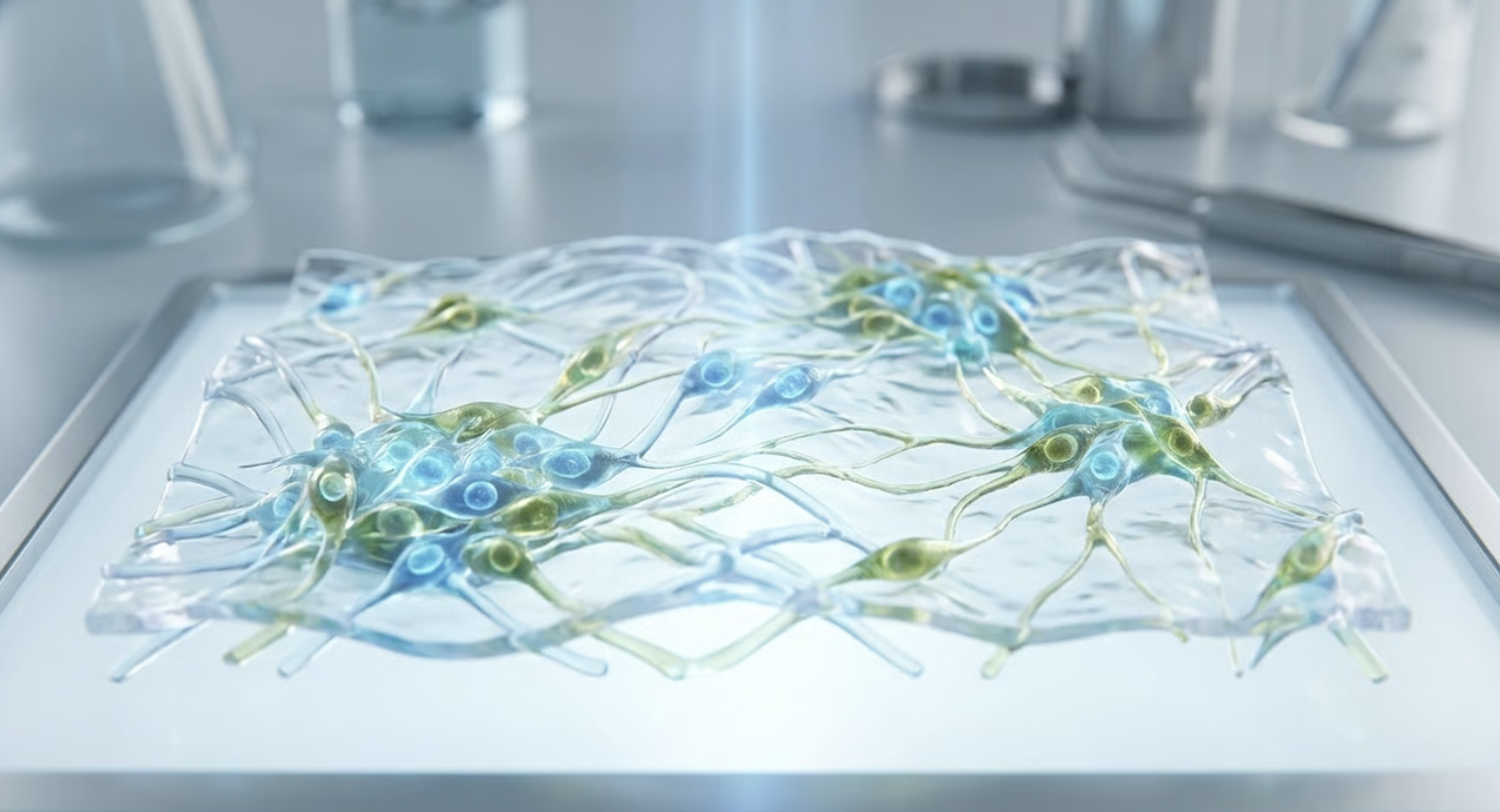
Red light therapy is a powerhouse when it comes to closing wounds and repairing damaged tissue. By rejuvenating cells and boosting energy production, it accelerates the body's ability to knit tissue back together. This capability is well-documented; in fact, the original NASA research demonstrated that red light could speed up wound healing in astronauts by as much as 50%. This makes it an incredible tool for recovering from injuries or surgeries.
The applications for tissue repair extend to several difficult-to-treat conditions. It has been used successfully to help heal burn scars and reduce the severity of psoriasis lesions. Furthermore, it is showing promise in helping cancer patients manage side effects of treatment, such as oral mucositis (painful mouth sores) and radiation dermatitis. By reducing inflammation and stimulating repair, it improves the quality of life for patients undergoing these challenging treatments. 🩹
Cognitive Function and Brain Health
Exciting new research suggests that red light therapy might be beneficial for our brains as well. Scientists are exploring how transcranial (through the skull) and intranasal (up the nose) light exposure can support cognitive function. This is particularly promising for individuals suffering from mild to moderate dementia. Specialized headsets and helmets are being developed to deliver light energy directly to the brain to support neuronal health.
"A 2021 study showed cognitive improvements in people with mild to moderate dementia, likely due to improved blood flow and reduced inflammation in the brain." -Recoverie NYC
A notable study conducted in 2021 highlighted these potential benefits. It found that participants who received just six minutes of red light therapy daily for eight weeks showed improvements in memory and cognitive processing. Importantly, there were no significant adverse effects reported. The mechanism likely involves improved blood flow to the brain and a reduction in neuroinflammation, helping to clear the "brain fog" and protect brain cells. 🧠
Circulation and Oxygen Delivery
Good circulation is the foundation of overall health, and red light therapy is excellent at promoting it. By enhancing blood flow, the therapy ensures that oxygen and vital nutrients are delivered efficiently to tissues throughout the body. This is especially beneficial for individuals with circulatory issues or those who are recovering from an injury, as the increased flow brings the building blocks needed for repair directly to the site of damage.
The key player in this process is nitric oxide. When red light hits the tissue, it triggers the release of this gas, which relaxes the inner muscles of your blood vessels, causing them to widen. This process, known as vasodilation, reduces blood pressure locally and allows blood to move more freely. Improved circulation not only accelerates healing but also helps remove metabolic waste products from your cells, leaving you feeling more energized.
Additional Health Applications and Emerging Research
As scientists continue to study red light therapy, new potential benefits are constantly being discovered. Some emerging research suggests it could help improve sleep quality because, unlike blue light from screens, red light does not suppress the sleep hormone melatonin. Other areas of interest include optimizing thyroid health and supporting weight loss efforts. However, it is important to remember that evidence for these specific applications is still developing, and more studies are needed.
"Originally researched by NASA to grow plants in space, scientists found that red LED lights helped astronauts' wounds heal 50% faster." -Recoverie NYC
Another fascinating medical application is photodynamic therapy (PDT). In this treatment, red light is used to activate specific photosensitizing medications that are used to treat certain types of cancer. In this context, the light acts as a switch to turn on the medication exactly where it is needed. While this is a powerful tool, additional clinical research is ongoing to fully understand its effectiveness across various conditions and to refine treatment protocols.
Red Light Therapy Equipment and Treatment Options
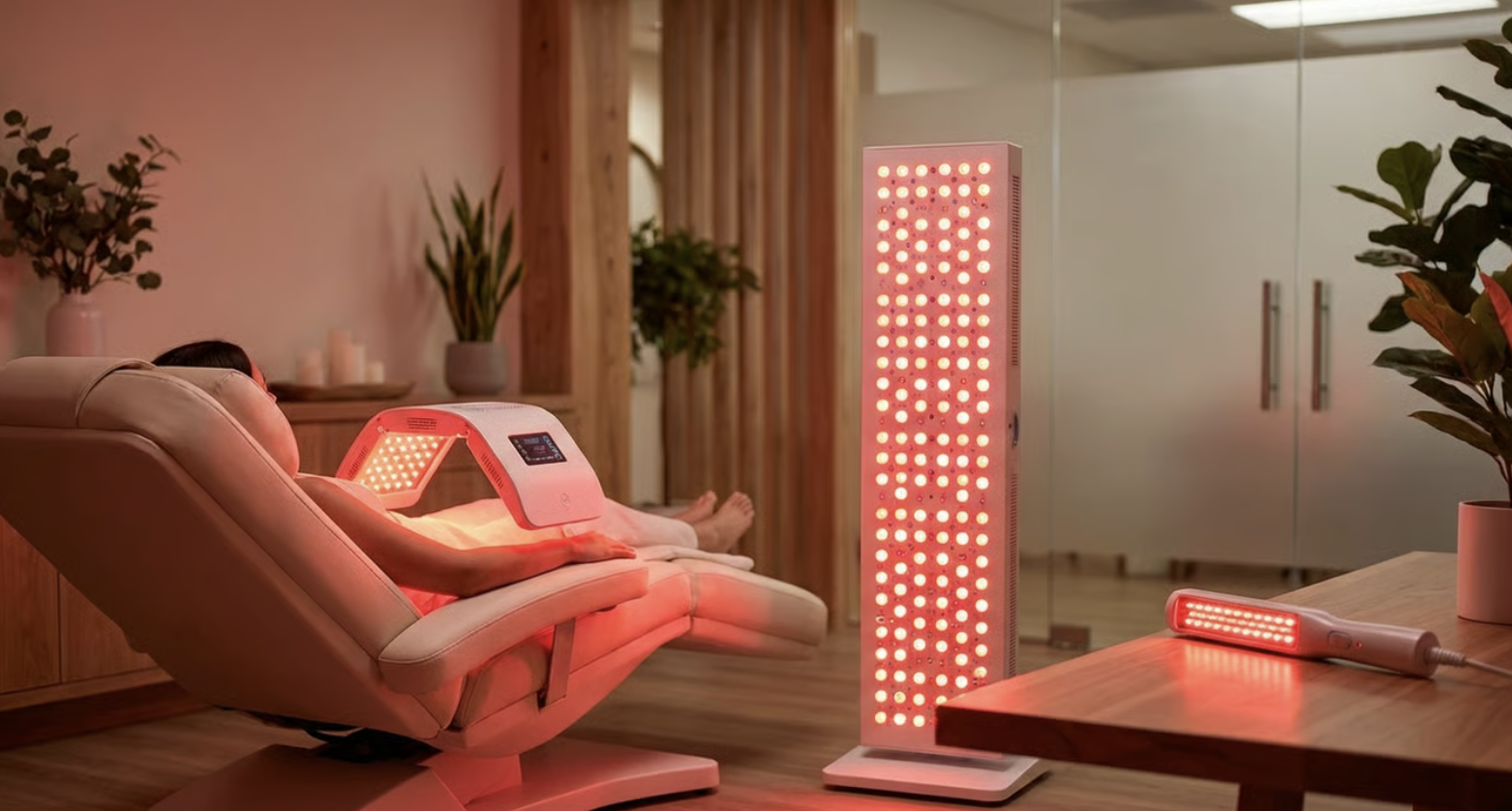
If you are interested in trying red light therapy, there is a wide range of equipment available to suit different needs. Professional-grade devices found in clinics are typically larger and more powerful, allowing for full-body treatments with high precision. On the other hand, there are many FDA-cleared devices designed for home use, ranging from handheld wands to door-mounted panels. Regardless of the device, ensuring it emits the correct wavelengths (630-850nm) and has sufficient intensity is crucial for the therapy to be effective.
Treatment modalities vary depending on what you are trying to treat. For skin concerns on the face, LED masks are a popular and convenient option. For muscle recovery or back pain, larger panels that cover a broad area are usually best. While at-home devices offer convenience, professional equipment used by specialists, such as those at The Nature Doctors, is often more powerful and may yield faster results for complex conditions.
Safety Considerations and Potential Side Effects
One of the biggest advantages of red light therapy is its safety profile. Generally, it is considered very safe because it is non-invasive and does not cause heat damage or destroy cells like some laser treatments might. Most people tolerate it very well without any discomfort. However, it is important to have realistic expectations; for some chronic conditions, the results might be temporary, requiring ongoing maintenance sessions to keep the benefits.
While side effects are rare, they can happen if the therapy is not used correctly. In some cases of pain management, chronic pain may return within a few weeks if the therapy is stopped completely. It is also vital to protect your eyes if using strong lights and to follow the manufacturer's guidelines. Always consult with a healthcare provider before starting new treatments to ensure you are using the appropriate wavelengths and intensity for your specific health situation. 🛑
Frequently Asked Questions
Does Red Light Therapy Actually Work?
Yes, red light therapy has a solid foundation of scientific backing. It is not just a placebo; specific wavelengths of light physically interact with your mitochondria to boost ATP production, giving your cells more energy. Research supports its effectiveness for skin improvement, pain relief, and muscle recovery, provided that the correct wavelengths and intensities are used.
How Long Does It Take to See Results from Red Light Therapy?
Patience is key with this therapy, as it works from the inside out. For visible skin improvements like wrinkle reduction, it typically takes about three months of consistent use. For cognitive benefits in conditions like dementia, studies suggest a timeframe of six to eight weeks. However, results can vary significantly depending on the condition being treated and the individual's overall health.
What Conditions Can Red Light Therapy Treat?
Red light therapy is versatile and has strong evidence supporting its use for several conditions. The primary applications include reversing skin aging, accelerating wound healing, and managing pain from conditions like arthritis, fibromyalgia, and low back pain. It is also widely used for muscle recovery and improving cognitive function, with emerging research exploring even more possibilities.
Are There Any Side Effects or Risks Associated with Red Light Therapy?
Generally, red light therapy is very safe and non-invasive. It does not burn the skin or cause cell destruction. However, some users might experience temporary eye strain if proper protection isn't used, or mild skin irritation. It is also worth noting that some results may be temporary. It is always best to consult a healthcare provider for specific health concerns before starting.
What is the Difference Between Red Light and Near-Infrared Light Therapy?
The main difference lies in the wavelength and how deep the light travels. Red light therapy usually uses wavelengths of 630-700 nanometers, which is great for treating skin issues. Near-infrared light operates at 800-850 nanometers, which allows it to penetrate deeper into the body to reach muscles, joints, and bones. Both stimulate mitochondria, but they target different depths of tissue.
Conclusion
In summary, red light therapy is a fascinating blend of nature and science that works by energizing our bodies at the cellular level. By stimulating the mitochondria to produce more ATP, this therapy empowers our cells to repair themselves, reduce inflammation, and function more efficiently. From smoothing out wrinkles and healing wounds to relieving chronic pain and boosting brain health, the benefits are vast. It represents a scientifically-backed approach that supports the body's own natural healing processes rather than just masking symptoms.
The versatility of red light therapy makes it an attractive option for a wide variety of people, from elite athletes to those seeking relief from chronic health issues. As adoption grows among medical professionals and wellness enthusiasts, it is becoming easier to access these treatments. Whether you choose to visit a professional clinic or invest in an FDA-cleared home device, it is important to use the correct wavelengths for optimal results. If you are looking for a non-invasive way to improve your health, consider exploring Red Light Therapy Explained: Healing from Within. We encourage you to consult with healthcare providers to see if this therapy is right for your specific needs. The current evidence strongly supports its transformative potential for improving quality of life and accelerating recovery. 🌟