
Supplements to Boost Liver Detox Pathways: What Works and What Doesn't
In recent years, there has been a surge in interest around liver health and detoxification supplements. People are becoming more aware of the liver's critical role in filtering toxins and maintaining overall wellness. This awareness has led many to explore supplements that claim to support liver detox pathways. However, not all supplements are created equal, and their effectiveness varies widely depending on scientific backing. 🌱
This article will dive into the most common liver support supplements, examining their evidence levels and what research actually shows about their effectiveness. By the end, you'll have a clearer understanding of which supplements may truly help boost your liver detox pathways and which ones might be better left on the shelf. 🔍
Understanding Liver Detoxification Pathways
Liver detoxification pathways are complex processes through which the liver neutralizes and removes harmful substances from the body. These pathways involve two phases: Phase I, where enzymes break down toxins, and Phase II, where these broken-down toxins are excreted. Supporting these pathways is crucial because they ensure toxins don’t accumulate and harm the body. A healthy liver means a healthier you! 💪
Many supplements claim to enhance these pathways by providing nutrients or compounds that supposedly optimize enzyme activity or reduce oxidative stress. While some ingredients show promise, it’s important to understand how they work and whether they live up to their claims. Let’s take a closer look at the science behind these supplements. 🧪
Milk Thistle: The Most Popular Liver Supplement
Milk thistle is arguably the most well-known supplement for liver health, with a history of use spanning over 2,000 years. Traditionally, it has been used to treat liver disorders and promote bile flow. Today, it’s marketed as a natural way to detoxify the liver and protect it from damage caused by toxins. 🌼
Despite its long-standing reputation, the research on milk thistle is mixed. Some studies suggest it may help reduce liver inflammation and improve liver function, while others show no significant benefits. Meta-analyses reveal that while milk thistle appears in most commercial liver supplements, the clinical evidence supporting its efficacy remains inconclusive. It’s a classic case of tradition versus science. 🤔
Berberine: Emerging Evidence for Fatty Liver Support
Berberine is a natural alkaloid compound found in several plants, including goldenseal and barberry. It has gained attention for its potential to support liver health, particularly in cases of non-alcoholic fatty liver disease (NAFLD). 🌿
"Scientific evidence supporting the safety and efficacy of liver supplements is limited and inconclusive, according to a study in the American Journal of..." -Gastroenterology Advisor
Recent studies indicate that berberine may help reduce liver enzymes, cholesterol levels, and markers of inflammation in people with NAFLD. While more research is needed, berberine shows promise as a supplement for those looking to manage fatty liver conditions. Its growing popularity reflects a shift toward evidence-based natural solutions. 📈
Silymarin: Research-Backed Liver Enzyme Support
Silymarin is the active compound in milk thistle and is often highlighted for its potential to support liver health. It works by acting as an antioxidant, protecting liver cells from damage, and promoting regeneration. 🌱
Clinical trials have shown that silymarin can reduce liver enzymes like ALT and AST in patients with fatty liver disease. While the results are promising, it’s important to note that silymarin’s effects may vary depending on the dosage and individual health conditions. This makes it a strong contender among liver-supporting supplements. 🏆
"Milk thistle is a liver supplement that has been trusted for over 2,000 years to help support healthy bile flow and liver detoxification. It has strong antioxidant effects that help support liver cell regeneration and a healthy inflammatory response." -Life Extension
NAC and Green Tea: Antioxidant Support
N-acetyl-L-cysteine (NAC) is a powerful antioxidant that plays a vital role in the body’s detoxification process. It helps replenish glutathione, a key antioxidant that supports liver function and reduces oxidative stress. NAC is particularly beneficial for those exposed to environmental toxins or dealing with liver-related conditions. 💊
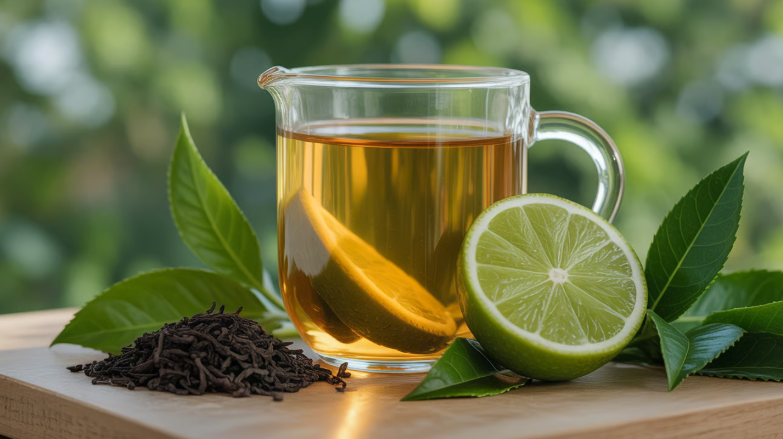
Green tea is another antioxidant-rich supplement that has garnered attention for its liver-supporting properties. Rich in polyphenols and catechins, green tea helps inhibit oxidative stress and supports healthy liver enzyme levels. Together, NAC and green tea offer a dual approach to enhancing liver detox pathways naturally. 🍵
Artichoke Extract: Evidence for Liver Enzyme Reduction
Artichoke leaf extract is derived from the leaves of the artichoke plant and differs significantly from eating artichokes as food. It contains antioxidants like cynarin and chlorogenic acid, which are believed to protect the liver from damage. 🥗
"Six randomized studies for berberine at doses of 1000 to 1500 mg/day were included in the meta-analysis. Berberine significantly reduced ALT, LDL, total cholesterol, 2-hour postprandial plasma glucose, and HbA1c levels in patients with NAFLD compared to controls." -NIH PMC
Research suggests that artichoke extract may help reduce liver enzymes, especially in individuals with fatty liver disease or excess weight. While human studies are limited, the existing evidence points to its potential as a supportive supplement for liver health. 🌟
The Problem With Popular Liver Supplements: Limited Evidence
Despite their popularity, many liver supplements lack strong scientific evidence to back their claims. Most top-selling products on the market rely on limited research or anecdotal testimonials rather than robust clinical trials. This creates a gap between consumer expectations and actual efficacy. 😕
Common ingredients like dandelion root, turmeric, and burdock are often included in liver supplements, but their effectiveness varies. Combination formulas further complicate matters, making it difficult to determine which ingredients are truly beneficial. Consumers must approach these products with caution and prioritize evidence-based options. ⚠️
"Green tea is high in antioxidants, which can help support liver enzymes and help inhibit oxidative stress. Green tea helps support liver function due to its high concentration of polyphenols, which help support your body's natural detoxification process." -Life Extension
Dosage, Safety, and Quality Considerations
Proper dosing is crucial when taking liver supplements, as many studies showing efficacy used specific doses that may differ from commercial products. For example, berberine’s benefits are typically seen at doses of 1000-1500 mg per day, which may not align with what’s available over the counter. Bioavailability also plays a role in determining a supplement’s effectiveness. 📏
Safety is another important consideration, as some supplements can interact with medications or cause side effects. Always consult a healthcare provider before starting any new supplement regimen, especially if you’re on prescription medications. Additionally, opt for products that undergo third-party testing to ensure quality and purity. 🛡️
Lifestyle Factors vs. Supplements: What Matters Most
While supplements can be helpful, lifestyle modifications are the foundation of liver health. A balanced diet rich in fruits, vegetables, and whole grains, combined with regular exercise, can significantly improve liver function. Reducing alcohol consumption and avoiding unnecessary toxin exposure are also essential steps. 🥗🏃♀️
"Lab research has shown that artichokes contain antioxidants that protect the liver from damage. There are not a lot of human studies that look into their role in liver health. But review studies of the existing trials showed that artichoke supplements significantly reduced liver enzymes — especially in people with increased weight and fatty liver disease." -GoodRx
Research suggests that supplements work best when paired with lifestyle changes. For instance, berberine’s benefits are amplified when combined with a healthy diet and exercise routine. Supplements alone are unlikely to deliver significant improvements without addressing underlying lifestyle factors. Balance is key! ⚖️
How to Choose an Effective Liver Support Supplement
Choosing the right liver support supplement requires careful evaluation of ingredients, dosages, and third-party testing. Look for products that contain research-backed ingredients like berberine, silymarin, or NAC, and ensure the dosages align with clinical studies. Reading labels thoroughly can help you make informed decisions. 🧐
Consulting with a healthcare provider is also essential, as they can assess your individual needs and recommend appropriate supplements. At The Nature Doctors, our team specializes in personalized health solutions, including guidance on liver detox pathways. Let us help you find the right approach for your unique situation. 🌿
"N-acetyl-l-cysteine (NAC) plays a vital role in your body's detoxification process. NAC helps support healthy liver function due to its antioxidant properties and ability to promote a healthy inflammatory response." -Life Extension
Frequently Asked Questions About Liver Detox Supplements
1. Do liver detox supplements actually work?
Evidence is mixed and inconclusive for most liver detox supplements. Ingredients like berberine and silymarin show promise in specific contexts, such as managing fatty liver disease, but overall research remains limited. Most supplements lack the robust clinical evidence needed to guarantee effectiveness. 🤷♂️
2. What is the best supplement for liver health?
There’s no single "best" supplement for liver health, as different ingredients target different conditions. Berberine and silymarin have the strongest research backing, particularly for fatty liver disease. However, individual responses vary, so consulting a healthcare provider is crucial to finding the right fit for your needs. 🩺
3. How long does it take for liver supplements to work?
Most studies examining liver supplements ran for 8 to 24 weeks before measuring effects. Results aren’t immediate, and consistent use over time is necessary. Individual timelines depend on factors like the supplement type, dosage, and overall health status. Patience is key! ⏳
4. Are liver supplements safe to take with medications?
Some liver supplements can interact with medications, particularly those metabolized by the liver. For example, milk thistle may interfere with certain drugs. Always consult a healthcare provider or pharmacist before combining supplements with prescription medications to avoid potential risks. 🚨
5. Do I need a liver detox supplement if I'm healthy?
Healthy individuals with normal liver function typically don’t need supplements, as the liver naturally detoxifies the body. However, those with specific liver conditions, risk factors, or on medications that stress the liver may benefit from supplementation under professional guidance. Focus on foundational lifestyle practices first. 🌱
Conclusion
When it comes to boosting liver detox pathways, the evidence is strongest for ingredients like berberine, silymarin, and artichoke extract. However, even these supplements have limitations, and the overall research base remains inconclusive for many popular products. It’s clear that the supplement industry often markets liver health claims that outpace the actual scientific evidence supporting them. 📉
Ultimately, liver health depends on lifestyle factors like diet, hydration, exercise, limiting alcohol consumption, and avoiding unnecessary toxins. Supplements may play a supporting role when used appropriately, but they should never replace these foundational practices. For those considering liver support supplements, focus on evidence-based ingredients at research-supported dosages. Consulting with professionals, like those at The Nature Doctors, can provide personalized guidance tailored to your needs. 🌟
Take action today by evaluating your current liver health practices and consulting with a healthcare provider about whether supplements are appropriate for your situation. Prioritize evidence-based ingredients, and remember that consistent lifestyle changes often deliver more significant results than supplements alone. Invest in your liver health through informed decision-making and professional guidance. 🚀