
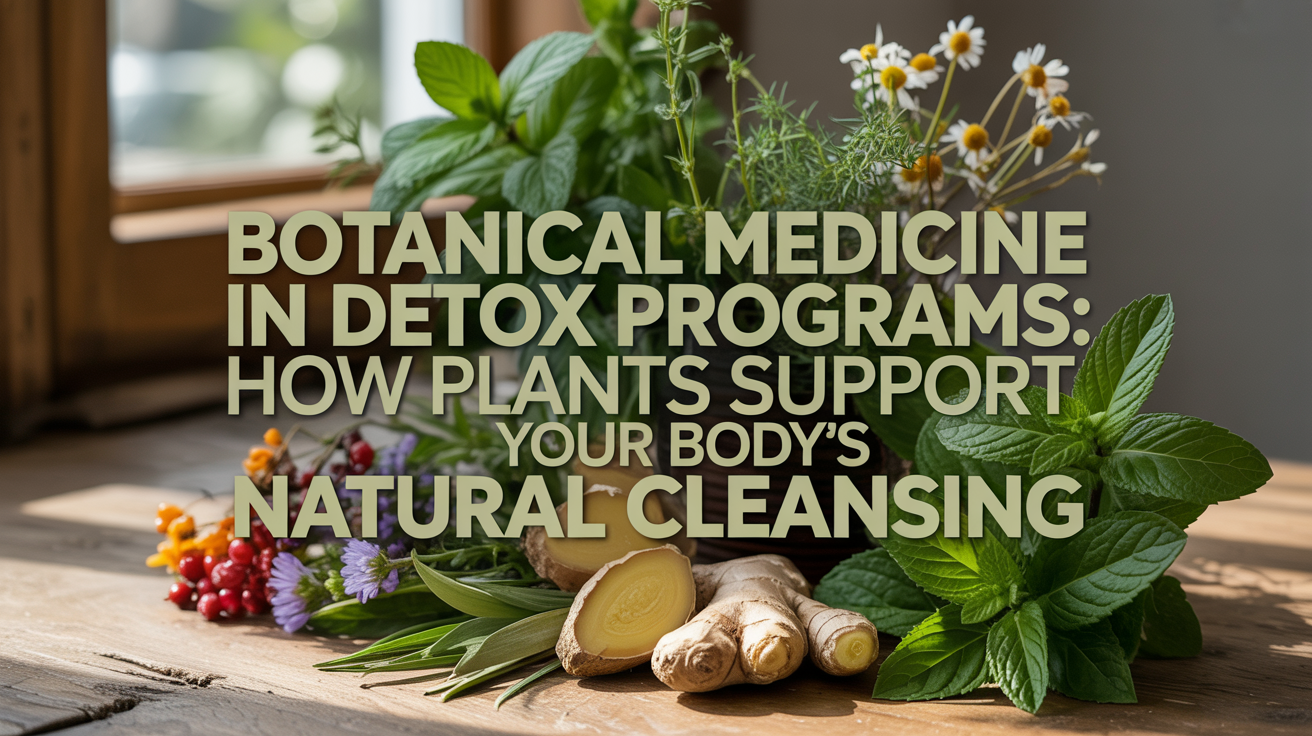
Botanical medicine, a cornerstone of natural healing, involves using plants and plant-derived compounds to support health. In the context of detoxification, botanicals are gaining popularity as people seek gentler, more holistic ways to cleanse their bodies. From herbs like dandelion root to algae like spirulina, these natural remedies work with your body’s systems to eliminate toxins effectively. 🌱 The growing interest in plant-based detox methods reflects a shift toward embracing nature’s pharmacy for wellness.
Why are people turning to botanicals for detox? For starters, they offer a less invasive alternative to pharmaceutical options, often with fewer side effects. Additionally, botanicals don’t just target toxins—they also nourish the body, supporting processes like liver function and gut health. This makes them ideal for use alongside dietary changes, hydration strategies, and lifestyle adjustments. Whether you’re looking to address heavy metal exposure or simply boost overall wellness, botanical medicine provides a versatile toolkit. 🌿
Understanding How Botanical Medicine Works in Detoxification
Botanicals support detoxification through several mechanisms. One key way is by binding to heavy metals and other toxins, making it easier for the body to excrete them. For example, cilantro has been shown to bind to mercury, while chlorella helps trap toxins in its fibrous structure. These actions reduce the toxic load on your organs, particularly the liver, which plays a central role in detoxification. By enhancing enzyme production in the liver, botanicals help break down harmful substances into forms that can be safely eliminated. 🧪
Gut health is another critical factor in detoxification, and certain botanicals create an environment conducive to cleansing. Probiotic-rich herbs like slippery elm and marshmallow root soothe the digestive tract, promoting the growth of beneficial bacteria. A healthy gut microbiome not only aids digestion but also supports immune function and toxin elimination. When your gut is balanced, your body is better equipped to handle the stress of detoxification. 🌽
Adaptogens are another class of botanicals that play a vital role in detox programs. These herbs, such as ashwagandha and holy basil, help the body cope with the physical and emotional stress of detoxification. Adaptogens regulate cortisol levels and support energy production, ensuring you feel balanced during the process. For instance, holy basil not only calms the mind but also boosts antioxidant activity, protecting cells from oxidative damage. Together, these mechanisms make botanicals a powerful ally in any detox program. 🍃
Key Botanicals Used in Detox Protocols
Several botanicals stand out for their detoxifying properties. Cilantro, for example, is renowned for its ability to bind to heavy metals like lead and mercury, facilitating their removal from the body. Chlorella and spirulina, both algae, are rich in chlorophyll, which helps neutralize toxins and supports liver function. Dandelion root, a classic liver tonic, promotes bile production, aiding in the breakdown and elimination of fats and toxins. Each of these botanicals contributes uniquely to the detoxification process, making them valuable additions to any protocol. 🌼
Cholagogue herbs, which stimulate bile flow, and lymphogogues, which enhance lymphatic circulation, are also essential in detox programs. Herbs like milk thistle and artichoke leaf act as cholagogues, supporting the liver’s ability to process and excrete toxins. Meanwhile, red clover and cleavers serve as lymphogogues, helping to clear waste from the lymphatic system. By addressing multiple pathways of elimination, these botanicals ensure a comprehensive detox experience. 🌿
Adaptogens like ashwagandha and holy basil provide additional support during intense detox phases. Ashwagandha reduces inflammation and balances hormones, while holy basil enhances resilience to stress. These calming effects are crucial for individuals undergoing rigorous detox programs, as they help mitigate fatigue and mood swings. Depending on the type of toxin exposure—whether heavy metals or synthetic chemicals—different botanicals may be prioritized to address specific needs. 🌱
Finally, it’s important to note that botanicals differ in their applications based on the type of toxin exposure. For instance, cilantro and chlorella are particularly effective against heavy metals, while turmeric and ginger are better suited for combating oxidative stress from synthetic chemicals. Understanding these distinctions allows practitioners to tailor detox protocols to individual needs, ensuring optimal results. 🌟
"By addressing both the physical and emotional aspects of detox, botanicals offer a truly holistic solution." -The Nature Doctors
The Science Behind Botanical Detoxification
Research on botanical medicine for detoxification is expanding, with studies highlighting its effectiveness in reducing toxin levels. Animal and human trials have demonstrated that herbs like cilantro and algae like chlorella can significantly lower urinary mercury levels. For example, participants in one study who took chlorella supplements experienced measurable decreases in heavy metal burden after just a few weeks. These findings underscore the potential of botanicals as practical tools for detoxification. 🔬
Antioxidants and phytonutrients in botanicals play a crucial role in supporting Phase II detoxification in the liver. This phase involves conjugation, where toxins are made water-soluble for excretion. Green leafy vegetables and Brassica vegetables, rich in sulfur-containing compounds, enhance glutathione recycling capacity, a key component of this process. Phytonutrients like flavonoids and carotenoids further protect cells from oxidative damage, ensuring smooth detoxification. 🥗
Despite promising research, gaps remain in our understanding of botanical detoxification. Standardized dosage recommendations and long-term sustainability are areas requiring further investigation. Controlled clinical trials are needed to establish clear guidelines for safe and effective use. However, the existing evidence suggests that botanicals can complement conventional detox methods, offering a natural and holistic approach to toxin removal. 📊
"Combining botanicals can enhance their effects, thanks to synergistic interactions. For example, pairing spirulina with dandelion root not only boosts detoxification but also supports liver health." -The Nature Doctors
Dietary Support and Nutritional Foundations for Botanical Detox
Diet works hand-in-hand with botanical medicine to enhance detoxification. Whole foods, particularly organic produce, provide essential nutrients that support the body’s natural cleansing processes. Fruits and vegetables rich in antioxidants, such as berries and spinach, bolster Phase II detoxification by inducing the glutathione/GST system. This synergy ensures that botanicals and diet work together to maximize detox benefits. 🍓
Specific food categories play unique roles in detoxification. Green leafy vegetables like kale and Swiss chard are packed with antioxidants that protect liver cells and enhance enzyme activity. Brassica vegetables, including broccoli and cauliflower, contain glucosinolates that stimulate detoxification pathways. By incorporating these foods into your diet, you create a strong nutritional foundation for botanical detox programs. 🥦
In addition to whole foods, nutritional supplements and probiotics can further support detoxification. Vitamin C and selenium, for example, boost antioxidant defenses, while fiber-rich foods promote regular bowel movements, aiding toxin elimination. Probiotics maintain gut health, ensuring efficient nutrient absorption and waste removal. Together, these strategies form a comprehensive approach to botanical detoxification. 🥤
"Adequate antioxidant supply is essential for maintaining metabolic homeostasis and reducing oxidative stress during detoxification. The emerging evidence suggests that certain classes of phytonutrients can help support the detoxification process by stimulating the liver to produce detoxification enzymes or acting as antioxidants that neutralize the harmful effects of free radicals." -Guided Metabolic Detoxification Program Supports Phase II Study
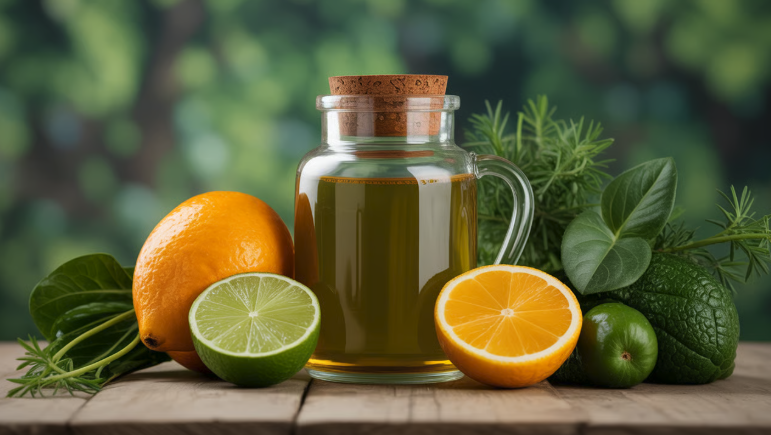
Creating a Comprehensive Botanical Detox Program
An effective botanical detox program combines multiple strategies to support the body’s natural cleansing processes. Exercise, sauna therapy, and lifestyle adjustments complement botanical interventions, creating a holistic approach to detoxification. Working with a qualified healthcare provider is essential to ensure safety and efficacy, especially when integrating botanicals with other therapies. 🏋️♀️
Natural healthcare providers often use a combination of dietary measures, botanical support, and environmental exposure reduction in detox programs. Over 75% of practitioners incorporate these approaches, reflecting their widespread acceptance and success. By addressing multiple aspects of health, these programs offer a well-rounded solution to toxin overload. 🌳
The duration of botanical detox programs varies depending on individual needs. Common protocols range from 7-day cleanses to 28-day programs, with longer-term options available for chronic conditions. Choosing the right duration depends on factors like toxin exposure levels, health goals, and existing medical conditions. Tailoring the program ensures optimal results and minimizes the risk of adverse effects. ⏳
"For optimal results, botanical detoxification should be part of a comprehensive health plan that includes other detox strategies. Working with a healthcare provider ensures that botanicals are used safely and effectively alongside interventions like exercise, sauna therapy, and conventional chelators if necessary." -The Nature Doctors
Individualization is key to successful botanical detox programs. Practitioners consider factors like age, weight, and lifestyle when designing protocols. For instance, someone with acute heavy metal exposure may require a more intensive program than someone seeking preventive care. By customizing the approach, healthcare providers ensure that each individual receives the support they need to thrive. 🌟
Botanical Detox for Specific Health Outcomes
Botanical detox programs offer significant mental health benefits, with research showing reductions in anxiety and depression symptoms. Integrated detoxification and lifestyle protocols have been linked to improved mood and cognitive function. For example, participants in one study reported a 55% decrease in anxiety and a 45% reduction in depression after four months of treatment. These outcomes highlight the connection between detoxification and mental well-being. 😊
Physical health improvements are another hallmark of botanical detox programs. Individuals often experience reduced fatigue, fewer headaches, and clearer thinking. Musculoskeletal issues, neurological symptoms, and digestive problems also show marked improvement. By addressing the root causes of these symptoms, botanical detox supports long-term health and vitality. 💪
"Botanical-based detox is ideal for individuals with confirmed heavy metal exposure, those seeking preventive measures, or anyone interested in holistic health practices. People working in industries with high metal exposure, such as mining or manufacturing, may find botanicals particularly beneficial." -The Nature Doctors
Immune function and natural healing processes benefit greatly from botanical detox. By reducing toxin burden and supporting organ function, these programs enhance the body’s ability to fight infections and repair tissues. This holistic approach ensures that detoxification not only removes harmful substances but also promotes overall wellness. 🌈
Who Should Consider Botanical Detox Programs
Ideal candidates for botanical detox include individuals with confirmed heavy metal exposure, those in high-risk occupations, and people living in polluted areas. Miners, manufacturers, and construction workers often face elevated toxin levels, making botanical detox a valuable preventive measure. These programs help mitigate the health risks associated with environmental pollutants. 🏭
Botanical detox is also suitable for general wellness and preventive care. Those interested in holistic health practices can benefit from regular detox programs to maintain optimal health. Different populations, from athletes to seniors, can tailor botanical detox strategies to their specific needs, ensuring broad applicability. 🌿
"Eighty-three percent (83%) of NDs surveyed reported using follow-up measurements to determine efficacy of detoxification therapies. The most common were patient symptom questionnaires (66%), patient medical histories (54%), and urinary provocative challenge testing (53%)." -Detoxification in Naturopathic Medicine: A Survey
In cases of acute toxicity or high-level exposure, botanical detox may need to be combined with pharmaceutical interventions. Medical supervision is crucial to ensure safety and efficacy, particularly when dealing with severe conditions. By integrating botanicals with conventional treatments, practitioners can achieve the best possible outcomes for their patients. 💊
Measuring Success and Monitoring Detoxification
Assessing the success of a botanical detox program involves tracking symptom improvements and conducting laboratory tests. Objective markers like urinary metal levels and liver function tests provide valuable insights into the program’s effectiveness. Monitoring these indicators helps ensure that detoxification is proceeding as intended. 📉
Practitioners use various methods to monitor progress, including patient questionnaires, medical histories, and provocative challenge testing. Urinary tests measure toxin excretion, while blood panels assess liver and kidney function. These tools allow healthcare providers to evaluate the impact of botanical detox and make necessary adjustments. 🩺
"In mild cases or for preventive health, botanicals may be beneficial on their own. For acute toxicity or high levels of exposure, pharmaceutical chelation under medical supervision may be necessary, potentially alongside supportive botanicals." -The Nature Doctors
Working with qualified providers is essential for interpreting results and refining detox protocols. Regular check-ins ensure that the program remains aligned with individual health goals and addresses any emerging concerns. This collaborative approach maximizes the benefits of botanical detoxification. 🌟

Safety Considerations and Potential Side Effects
Botanical medicine is generally considered safe, with minimal side effects compared to pharmaceutical options. Its gentle, non-invasive nature makes it an appealing choice for detoxification. However, it’s important to use botanicals responsibly and under professional guidance to avoid potential risks. 🌱
Potential contraindications and drug interactions must be carefully considered. Disclosing all supplements and medications to healthcare providers ensures safe integration of botanicals into detox programs. Some herbs may interfere with prescription drugs, so timing and dosage adjustments may be necessary. Always prioritize transparency with your healthcare team. 💊
Detox reactions, such as headaches or fatigue, can occur during botanical detox. Fortunately, adaptogenic herbs and gradual approaches help mitigate these effects. By starting with low doses and increasing gradually, individuals can minimize discomfort and achieve smoother detoxification. This thoughtful strategy ensures a positive experience. 🌿
Botanical Medicine vs. Other Detox Approaches
Botanical detox differs from conventional pharmaceutical chelation therapy in its mechanisms and applications. While chelation uses synthetic agents to bind and remove metals, botanicals work through multiple pathways, including enzyme stimulation and antioxidant support. Both approaches have their place, and combining them can enhance outcomes in certain cases. 🧪
The appeal of botanical detox lies in its natural origins and holistic benefits. Unlike many detox supplements, which lack scientific backing, botanicals address multiple aspects of health simultaneously. From supporting liver function to boosting immunity, these remedies offer comprehensive support beyond simple toxin removal. 🌟
While some detox products lack evidence, specific botanical interventions are backed by growing research. Herbs like milk thistle and turmeric have demonstrated efficacy in clinical studies, making them reliable choices for detoxification. By focusing on scientifically supported options, individuals can achieve meaningful results. 📚
Frequently Asked Questions About Botanical Detox
1. How long does a botanical detox program typically take to show results?
Results timelines vary based on factors like toxin exposure, health status, and the botanicals used. Some individuals notice improvements within weeks, especially in symptoms like fatigue or brain fog. However, comprehensive detoxification may take longer, with 28-day programs often recommended for deeper cleansing. Patience and consistency are key to achieving lasting benefits. ⏳
2. Can botanical detox supplements be taken long-term?
Long-term use of botanical detox supplements depends on the specific herb and individual health needs. While some botanicals, like turmeric, are safe for extended use, others may require cycling to prevent overuse. Consulting with a healthcare provider ensures safe and sustainable practices tailored to your goals. 🌱
3. Are botanical detox programs safe for people taking medications?
Botanical detox can be safe for individuals on medications, but potential interactions must be evaluated. Disclosing all medications to your healthcare provider allows for careful management of timing and dosages. With proper guidance, botanicals can complement pharmaceutical treatments without compromising safety. 💊
4. What is the difference between detoxification and cleansing?
Detoxification refers to active processes that support the body’s natural elimination of toxins, while cleansing often focuses on superficial practices like colonics or juice fasts. Botanical medicine targets true detoxification mechanisms, enhancing liver function, gut health, and antioxidant defenses for comprehensive cleansing. 🌿
5. Can I do a botanical detox at home without professional supervision?
Home-based botanical detox programs are feasible for mild cases or preventive care. However, professional guidance is recommended for acute toxicity or high-level exposure. Working with a qualified practitioner ensures safe and effective implementation, maximizing the benefits of botanical detoxification. 🏠
Conclusion
Botanical medicine offers a promising, natural approach to detoxification, supported by growing evidence of its efficacy. By working through multiple mechanisms—binding toxins, stimulating enzymes, supporting gut health, and providing adaptogenic relief—botanicals enhance the body’s natural cleansing processes. Specific herbs like cilantro, chlorella, and spirulina have demonstrated remarkable results in clinical studies, making them valuable tools in any detox program. 🌟
To achieve optimal results, botanical detox should be integrated with dietary changes, lifestyle modifications, and professional oversight. Key takeaways include the importance of selecting the right botanicals, tailoring protocols to individual needs, and monitoring progress with qualified providers. Whether you’re addressing heavy metal exposure or seeking preventive care, botanical medicine provides a versatile and holistic solution. 🌱
If you’re ready to explore the benefits of botanical detox, consider consulting with experts at The Nature Doctors. Their team specializes in personalized detox programs, combining botanical medicine with comprehensive health strategies to support your journey to wellness. Take the first step today and discover how nature’s remedies can transform your health! 🌿