

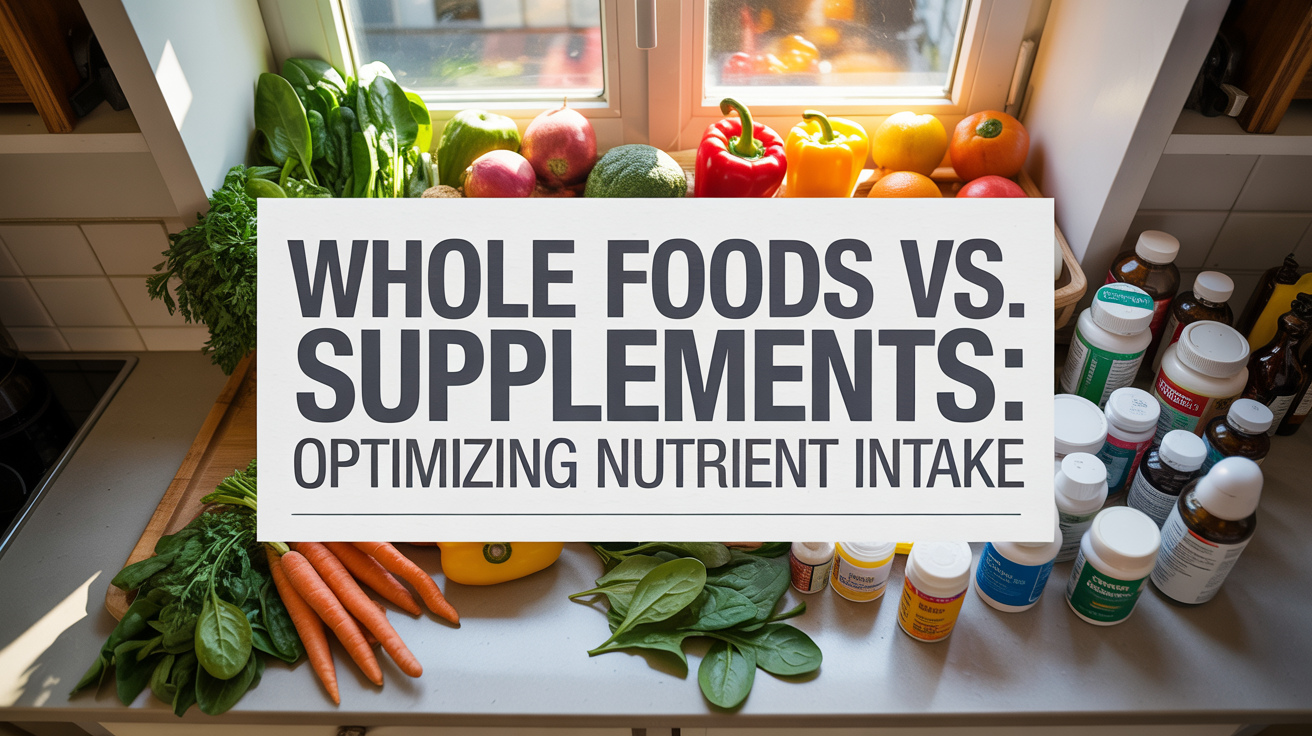
In today's health-conscious world, more people are turning to supplements to meet their nutritional needs. Did you know that 82% of people take at least one supplement daily? 🌟 Whether it’s a multivitamin, protein powder, or omega-3 capsules, the appeal of convenience and targeted nutrition is undeniable. But this raises an important question: Is getting nutrients from whole foods truly better than relying on supplements? Understanding how our bodies absorb and utilize nutrients can help us make informed choices about our diets.
Nutrition isn’t just about checking off vitamins and minerals from a list—it’s about how these nutrients work together in harmony. Whole foods offer a complete package, while supplements provide isolated nutrients. The difference lies in how our bodies process these sources. By exploring this topic, we’ll uncover which approach—whole foods or supplements—is best for optimizing nutrient intake. Let’s dive in! 🍎💊
Understanding the Food Matrix: How Whole Foods Work
The food matrix is like nature’s blueprint for delivering nutrients to our bodies. It’s the way vitamins, minerals, fiber, fats, proteins, and phytochemicals are all bound together in whole foods. This intricate structure ensures that nutrients aren’t just delivered but are also absorbed and utilized effectively. For example, when you eat an apple, you’re not just consuming vitamin C—you’re also getting fiber, antioxidants, and natural sugars that work together to support your health. 🍏
This synergy between nutrients is what makes whole foods so powerful. Food synergy refers to how the combination of nutrients in whole foods enhances their overall impact on our health. For instance, the healthy fats in avocados help your body absorb fat-soluble vitamins like A, D, E, and K. This teamwork is something supplements simply can’t replicate because they lack the complexity of the food matrix. 🥑✨
Let’s compare an orange to a vitamin C supplement. While both contain vitamin C, the orange offers much more—fiber, flavonoids, and water content that aid digestion and hydration. A supplement, on the other hand, provides only the isolated nutrient, missing out on the broader benefits of the whole food. This example highlights why whole foods are often the superior choice for nutrient intake. 🍊💪
How Supplements Differ from Whole Foods
Supplements are concentrated forms of specific nutrients, designed to fill gaps in our diet. However, they lack the food matrix that makes whole foods so effective. Without the natural balance of vitamins, minerals, and other compounds, supplements can’t replicate the synergistic effects of eating real food. For example, a calcium pill won’t come with magnesium or vitamin D, which are essential for bone health. 💊🚫
Bioavailability—the rate at which nutrients are absorbed by the body—varies significantly between supplements and whole foods. Whole foods are digested more slowly, allowing for gradual nutrient absorption. In contrast, supplements often deliver a high dose of nutrients all at once, which can overwhelm the body and reduce absorption efficiency. This is why some people experience nutrient imbalances despite taking supplements regularly. ⚖️
"When you eat a whole food, you're not eating just isolated nutrients—you're eating all of the food's components. In other words, food's vitamins, minerals, fiber, fats, protein, and beneficial compounds (phytochemicals) are bound together, interacting to form the food matrix. These interactions affect how the body breaks down, absorbs, and uses nutrients from food." -Seson Health
The quality of supplements also plays a role in how well they’re absorbed. Factors like manufacturing standards, personal diet, and gut health can influence their effectiveness. A high-quality supplement might be better absorbed than a cheaper alternative, but even the best supplements can’t match the natural absorption process of whole foods. This variability underscores the importance of prioritizing real food whenever possible. 🛠️🌱
Nutrient Absorption: The Key Difference
When it comes to nutrient absorption, whole foods have a clear advantage. Their natural composition allows nutrients to interact with each other, enhancing their bioavailability. For example, iron from spinach is better absorbed when paired with vitamin C-rich foods like citrus fruits. This interaction is a hallmark of whole foods and demonstrates how nature optimizes nutrient delivery. 🍋🍃
"Food synergy is the concept that a food's overall effect on our body is greater than or different from the isolated actions of the individual vitamins, proteins, fats, etc. that make up the food. Real, whole foods contain a wide variety of nutrients we need, often paired with other compounds that help our bodies use them efficiently." -GoMacro
Another example is vitamin D, which helps the body absorb calcium more effectively. When you consume dairy products fortified with vitamin D, your body can use the calcium more efficiently than if you took a calcium supplement alone. These interactions highlight the importance of consuming nutrients in their natural context rather than isolating them in supplement form. 🥛☀️
Research consistently shows that diets rich in whole foods lead to better health outcomes compared to reliance on supplements. Studies indicate that people who prioritize fruits, vegetables, and whole grains tend to have lower risks of chronic diseases. This reinforces the idea that nutrients from whole foods are more beneficial than those from supplements, thanks to their synergistic effects. 📊🥗
"Taking a supplement is not quite the same as eating a whole food. A multivitamin may have all of the zinc or vitamin E you need, but it lacks the other compounds found in food. Supplements lack the food matrix, which supports nutrient absorption and provides health benefits." -Seson Health
Health Outcomes: Whole Foods vs Supplements
Studies reveal that nutrients from whole foods are associated with lower mortality rates compared to those from supplements. For instance, individuals who consume a diet rich in fruits, vegetables, and whole grains tend to live longer and healthier lives. On the other hand, research has found no significant reduction in mortality risk from taking multivitamins or isolated supplements. This suggests that the food matrix plays a crucial role in promoting longevity. 🕰️❤️
The 2015-2020 Dietary Guidelines for Americans emphasize the importance of meeting nutritional needs primarily through whole foods. These guidelines recommend focusing on nutrient-dense options like vegetables, fruits, lean proteins, and whole grains. They caution against relying on supplements as a substitute for a balanced diet, reinforcing the idea that whole foods should always be the foundation of good nutrition. 📜🥕
"Research shows that diet patterns emphasizing whole foods yield more substantial health benefits than single nutrients alone. Nutrients from food are associated with a lower risk of mortality (death) than individual nutrients from supplements." -Seson Health
Why do whole foods create more complete nutrition? The answer lies in their diversity. Whole foods provide a wide range of nutrients, including fiber, antioxidants, and phytochemicals, which are often missing in supplements. These components work together to support overall health, making whole foods a far superior choice for long-term wellness. 🌈🍎

The Buffer Effect and Digestive Health
Whole foods naturally mitigate potential side effects of concentrated nutrients through what’s known as the buffer effect. For example, the fiber in fruits and vegetables slows down the absorption of sugars, preventing blood sugar spikes. Similarly, the fats in nuts and seeds help regulate the release of fat-soluble vitamins. This buffering action ensures that nutrients are absorbed gradually and efficiently, reducing the risk of digestive discomfort. 🛡️🫐
"Ever notice how certain supplements tend to upset your stomach or need to be taken with food? When you get your nutrients from food, the other components of the food act as a buffer to mitigate some of the potential side effects. Additionally, spreading your nutrient intake throughout the day (rather than getting the entire recommended daily allowance in one pill) gives your body time to properly digest and utilize them." -GoMacro
In contrast, supplements often upset stomachs because they deliver high doses of nutrients in a single serving. Many people find that they need to take supplements with food to avoid nausea or indigestion. Whole foods, on the other hand, are easier on the digestive system because they’re consumed in smaller, more manageable portions throughout the day. This natural pacing allows the body to process nutrients without strain. 🍽️😌
Cost-Effectiveness: Whole Foods vs Supplements
While supplements may seem like a convenient solution, they can be expensive, especially if you opt for high-quality brands. On the other hand, nutrient-dense whole foods like sweet potatoes, spinach, and quinoa offer a cost-effective way to meet your nutritional needs. A colorful, plant-based meal not only provides essential vitamins and minerals but also delivers fiber and phytochemicals that supplements can’t replicate. 🌟🍠
"Fueling your body with mostly nutrient-dense food is like cutting out the middle man and going straight to the source for your vitamins. The cost of high-quality supplements can add up quickly, especially when it comes to wellness supplements like adaptogens, functional beverages, mushroom blends, and superfood powders that have recently become popular." -GoMacro
Investing in whole foods pays off in the long run. Not only are they more affordable, but they also contribute to better health outcomes, potentially reducing healthcare costs over time. By prioritizing whole foods, you’re making a sustainable choice that benefits both your wallet and your well-being. 💰🌱
When Supplements May Be Beneficial
While whole foods should always be the priority, there are situations where supplements can play a supportive role. For example, individuals with specific deficiencies, such as low vitamin D or iron levels, may benefit from targeted supplementation under medical supervision. Similarly, those following restrictive diets, like vegans or vegetarians, might need B12 or omega-3 supplements to meet their nutritional needs. 🩺💊
"The 2015-2020 Dietary Guidelines for Americans recommend getting nutrition from whole foods versus supplements. This recommendation is aimed at increasing the consumption of fruits, vegetables and dairy; food groups that most Americans are lacking or are consuming in amounts lower than recommended." -Parkview Health
Athletes often turn to protein supplements to support muscle recovery and performance. However, whole food sources like chicken, eggs, and legumes can provide the same benefits without the added processing. Supplements should complement—not replace—a balanced diet, ensuring that any gaps are filled without compromising overall nutrition. 🏃♂️🍗
In some cases, supplements can enhance a whole food diet. For instance, older adults might take a calcium and vitamin D supplement to support bone health alongside a diet rich in dairy and leafy greens. The key is to use supplements strategically, focusing on areas where your diet might fall short. Always consult a healthcare provider before starting any new supplement regimen. 🧓🥗

Building a Nutrient-Rich Diet with Whole Foods
Many Americans struggle to get enough fruits, vegetables, and dairy in their diets. To address these gaps, focus on incorporating nutrient-dense foods into every meal. Start by adding more leafy greens like spinach and kale, which are rich in vitamins A, C, and K. Dairy alternatives like Greek yogurt or fortified plant-based milks can also boost calcium and protein intake. 🥦🥛
For snacks, try nuts, seeds, and colorful vegetables. Almonds and chia seeds are excellent sources of healthy fats and fiber, while bell peppers and carrots provide antioxidants and crunch. These options not only satisfy hunger but also contribute to a well-rounded nutrient profile. Don’t forget to include lean proteins like fish, tofu, or beans to support muscle repair and energy production. 🌰🐟
Adopt the “eat the rainbow” approach by filling your plate with a variety of colorful foods. Each color represents different phytonutrients that support various aspects of health. For example, red foods like tomatoes are rich in lycopene, while purple foods like blueberries offer anthocyanins. By diversifying your diet, you’ll ensure you’re getting a broad spectrum of nutrients to fuel your body. 🌈🍴
Frequently Asked Questions
1. Are supplements completely ineffective compared to whole foods?
Supplements aren’t completely ineffective—they can be useful in specific situations, such as addressing deficiencies or dietary restrictions. However, they lack the food matrix and synergistic benefits of whole foods. For optimal health, supplements should complement, not replace, a nutrient-rich diet. 🍎💊
2. Can I replace whole foods with a multivitamin?
No, a multivitamin can’t replace the comprehensive benefits of whole foods. Whole foods provide fiber, phytochemicals, and other compounds that support digestion, immunity, and overall health. Multivitamins are a helpful backup but shouldn’t be relied on as a primary nutrition source. 🥗❌
3. How do I know if I need a supplement?
If you suspect a nutrient deficiency, look for signs like fatigue, brittle nails, or frequent illnesses. Consult a healthcare professional for personalized advice before starting any supplement. They can help determine if supplementation is necessary based on your diet and lifestyle. 🩺💡
4. What nutrients are hardest to get from food alone?
Depending on your diet, nutrients like vitamin D, omega-3 fatty acids, and B12 can be challenging to obtain. Vegans, for example, may need B12 supplements, while individuals with limited sun exposure might require vitamin D. Tailor your approach to your unique needs. 🌞🐟
5. How can I optimize nutrient absorption from the foods I eat?
To maximize nutrient absorption, pair foods strategically—for example, combine vitamin C-rich foods with iron sources. Cooking methods like steaming can preserve nutrients, and maintaining a healthy gut through probiotics supports efficient digestion. Small changes can make a big difference! 🍲🌿
Conclusion
When comparing whole foods to supplements, the evidence is clear: whole foods reign supreme. The 2015-2020 Dietary Guidelines for Americans emphasize the importance of prioritizing nutrient-dense foods over supplements. While supplements can serve a purpose in specific scenarios, they lack the synergistic benefits of the food matrix. Nutrients from whole foods are associated with lower mortality rates and more substantial health benefits than isolated nutrients from supplements. 🍎🏆
Now is the perfect time to evaluate your nutrition strategy. Start by incorporating more colorful vegetables, nutrient-dense snacks like nuts and seeds, and balanced meals into your routine. If you’re unsure where to begin, consider consulting a registered dietitian or visiting The Nature Doctors for personalized guidance. Remember, optimizing nutrient intake is an investment in your long-term health. Prioritize whole foods, understand the power of the food matrix, and focus on building a balanced diet before considering supplementation. Your body will thank you! 🌱❤️