

The Science Behind Ozone Sauna and Oxidative Stress
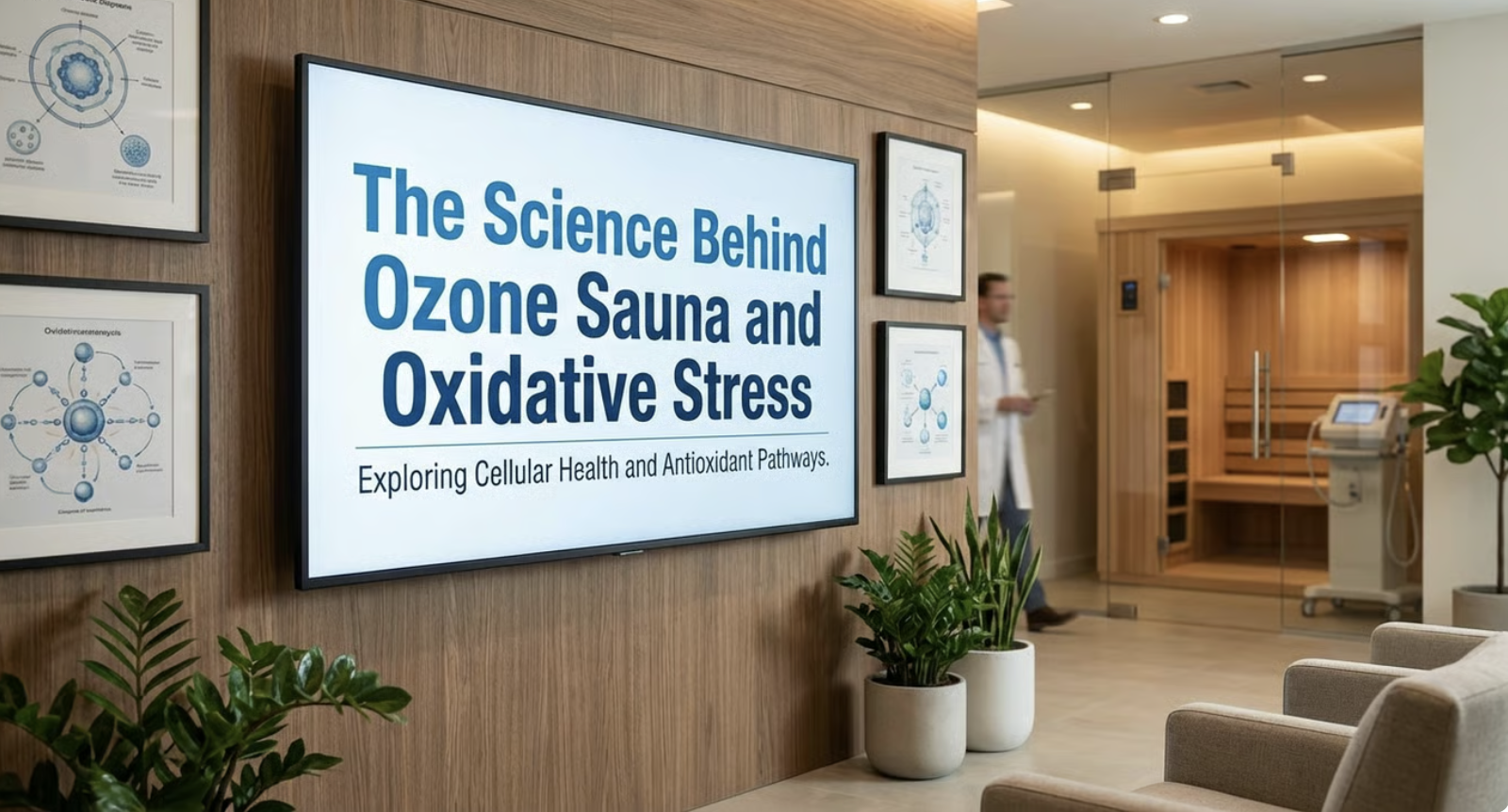
What is an Ozone Sauna?
An ozone sauna is a specialized therapeutic chamber that cleverly combines the relaxing heat of a traditional steam sauna with the biological power of ozone gas. Unlike a regular sauna where you sit completely inside, an ozone sauna is designed so that your body is enclosed in the cabinet while your head remains outside, allowing you to breathe fresh air while your skin absorbs the treatment. This method, often referred to as transdermal ozone therapy, uses the steam to open up your pores, creating a perfect pathway for the ozone to enter your lymphatic system and bloodstream. 🧖♂️
The typical procedure for an ozone sauna session is quite relaxing and usually lasts between 20 to 30 minutes. During this time, a generator produces a precise concentration of ozone gas, which is mixed with hot steam inside the cabinet. Safety is a top priority, so a towel is usually wrapped around the neck to ensure that no ozone gas escapes toward the nose and mouth, as ozone can be irritating to the lungs if inhaled directly. This controlled environment ensures that you get the maximum benefit from the skin absorption without any respiratory discomfort.
It is important to differentiate the ozone sauna from other medical ozone applications, such as autohemotherapy, which involves drawing blood, mixing it with ozone, and re-injecting it. While autohemotherapy is an invasive medical procedure often performed in clinics, the ozone sauna offers a non-invasive, needle-free alternative that focuses on systemic absorption through the skin. This makes it an attractive option for people who are looking for a gentler approach to oxidative therapies while still aiming for whole-body benefits.
Understanding Oxidative Stress
Oxidative stress occurs when there is an imbalance between free radicals and antioxidants in your body, somewhat like a biological form of rusting. Free radicals are unstable molecules that can damage cells, proteins, and DNA, while antioxidants are the "good guys" that neutralize these unstable molecules to keep your body healthy. When you don't have enough antioxidants to keep the free radicals in check, this imbalance leads to cellular damage and accelerates the aging process. 🧬
This state of oxidative stress is a significant underlying factor in the development of many chronic diseases. It plays a major role in driving chronic inflammation, neurodegenerative conditions like Alzheimer's, and cardiovascular issues such as ischemia. By understanding that oxidative stress is at the root of these health challenges, we can see why therapies that help regulate this balance are becoming increasingly popular in functional medicine.
How Ozone Interacts with the Body
When ozone gas touches the skin during a sauna session, it doesn't just enter the body as a gas; it immediately reacts with the fatty oils and water on the skin's surface. This chemical reaction produces specific messengers known as lipid oxidation products (LOPs) and reactive oxygen species (ROS). These LOPs act as signaling molecules that travel through the bloodstream, tricking the body into thinking it is under a slight threat, which kickstarts the immune system.
This process is known as a "hormetic effect," which essentially means that a low dose of a stressor can actually trigger a beneficial, strengthening response in the body. Just like lifting heavy weights tears muscle fibers to make them grow back stronger, the controlled exposure to ozone induces a tiny amount of oxidative stress. This mild stress shock wakes up the body's cellular defenses, prompting cells to repair themselves and function more efficiently.
One of the most critical pathways activated during this process is the Nrf2 pathway, which acts as a master switch for antioxidant defense. When the LOPs trigger this pathway, the body begins to produce its own powerful internal antioxidants. This activation is key to how ozone therapy helps the body fight off larger threats and maintain a healthy internal balance over time.
"A physiological ozone dose most frequently ranges between 20 and 40 μg/ml ozone per ml of blood and triggers an acute and precisely calculated oxidative stress able to activate several biological processes." -PubMed Central
Mechanisms of Ozone in Reducing Oxidative Stress
Once the body's defense systems are triggered, there is a significant increase in the production of vital antioxidant enzymes. Specifically, the body ramps up levels of Superoxide Dismutase (SOD), Catalase, and Glutathione Peroxidase (GPx), which are essentially the body's elite firefighting team against inflammation. These enzymes work tirelessly to neutralize harmful free radicals, turning dangerous molecules into harmless water and oxygen.
In addition to enzymes, ozone therapy stimulates the regeneration of direct antioxidants like glutathione and bilirubin. Glutathione is often called the "master antioxidant," and maintaining high levels of it is crucial for detoxification and immune health. Clinics like https://www.thenaturedoctors.ca often focus on therapies that support these natural detoxification pathways to help patients achieve optimal wellness.
Another powerful mechanism at play is the suppression of NFκB, a protein complex that controls the transcription of DNA and is heavily involved in the body's inflammatory response. By inhibiting this pathway, ozone therapy helps to dial down chronic inflammation, which is often the result of unchecked oxidative stress. This reduction in inflammation allows tissues to heal and function normally again.
It is worth noting that these beneficial effects are highly dependent on using the correct physiological doses of ozone. Studies suggest that concentrations typically between 20 and 40 μg/ml are optimal for inducing this acute oxidative stress without causing damage. This "sweet spot" ensures the body reacts defensively and protectively, rather than being overwhelmed by toxicity.
"Ozone exhibits a hormetic effect; it can peroxidize the erythrocyte membrane and induce a change in its negative charge, causing minimal oxidative stress. Moreover, it improves circulation and oxygen delivery in ischemic tissues, enhances cell metabolism, modulates antioxidant enzymes, induces a slight activation of the immune system, and increases the release of growth factors." -Taylor & Francis Online
Ozone Sauna's Specific Effects on Oxidative Stress
During an ozone sauna session, the heat causes vasodilation, or the widening of blood vessels, which allows the lipid oxidation products (LOPs) to circulate rapidly throughout the body. This transient increase in LOPs acts as a systemic alarm bell, signaling various organs to ramp up their antioxidant production. Because the absorption happens through the large surface area of the skin, the effect is widespread, reaching tissues far beyond just the surface layer.
This systemic reach is particularly beneficial for chronic conditions involving poor circulation, such as limb ischemia. By improving the antioxidant status of the blood and enhancing oxygen delivery, the therapy can help reduce the tissue damage associated with low oxygen levels. Patients suffering from conditions related to poor blood flow often find that this method helps revitalize their extremities and reduce pain.
Compared to other methods, the sauna environment adds the benefit of hyperthermia, which mimics a fever state and further boosts the immune system. While intravenous ozone delivers a high concentration directly to the blood, the sauna provides a more gradual, sustained release of signaling molecules. This unique combination of heat and oxidative signaling makes the sauna a distinct and powerful tool in the ozone therapy toolkit.

Scientific Evidence from Studies
Preclinical research using animal models has provided strong evidence that ozone therapy can effectively modulate the balance between free radicals and antioxidants. In these studies, subjects treated with controlled ozone showed a marked decrease in markers of oxidative damage and a simultaneous rise in protective enzymes. This data supports the theory that ozone acts as a biological response modifier, retraining the body to handle stress better. 🐭
"Ozone therapy can induce a controlled oxidative stress able to stimulate an adaptive antioxidant response in healthy tissue." -PubMed Central
In the realm of clinical trials, ozone has shown promise in reducing the toxicity of harsh medical treatments like chemotherapy. For instance, research involving the drug cisplatin revealed that ozone therapy could protect the kidneys and other organs from oxidative damage without interfering with the cancer-killing effects of the drug. Patients in these groups maintained better antioxidant levels and had fewer markers of cellular injury compared to those who only received chemotherapy.
Furthermore, studies focused on diabetes and rheumatoid arthritis have demonstrated that medical ozone can significantly increase Superoxide Dismutase (SOD) activity. In patients with diabetic foot ulcers, this boost in antioxidants was correlated with faster healing and reduced endothelial damage. These findings suggest that managing oxidative stress is a viable pathway for treating complications of metabolic diseases.
Finally, research highlights the importance of dose-dependency, particularly regarding neuroprotection. Low concentrations of ozone have been shown to protect brain cells from injury caused by ischemia, whereas high concentrations can be harmful. This reinforces the scientific consensus that ozone is hormetic: beneficial in small, controlled amounts, but toxic if the dosage is too high.
Benefits of Ozone Sauna Therapy
The primary benefits of ozone sauna therapy extend well beyond simple relaxation, offering tangible physiological improvements such as enhanced circulation and reduced systemic inflammation. By increasing the oxygen-carrying capacity of red blood cells, this therapy ensures that tissues and organs receive the fuel they need to function and repair. 🌬️ Many users report feeling more energized and mentally clear after sessions due to this boost in oxygenation.
"Treatment with low concentrations of ozone (2–10 µg/mL) indicated a possible neuroregenerative effect at low concentrations, correlated with lower levels of apoptosis and oxidative stress compared to cells not subjected to hypoxia. High concentrations of ozone (18–30 µg/mL) promoted an increase in rate of apoptosis and cell death." -Taylor & Francis Online
These effects make ozone saunas particularly useful for individuals dealing with chronic diseases, autoimmune disorders, or long-term recovery from illness. For those seeking holistic approaches, practitioners at https://www.thenaturedoctors.ca can provide guidance on how integrating such therapies might support recovery from complex health challenges. It is often used as a complementary therapy to support the body's natural healing rhythm.
Additionally, there is growing interest in the potential for immune modulation and neuroprotection. By calibrating the immune system—boosting it when it's weak and calming it when it's overactive—ozone sauna therapy offers a versatile approach to wellness. The potential to protect nerve cells from oxidative damage also makes it a compelling option for those concerned about cognitive longevity and brain health.
Safety, Dosage, and Side Effects
Safety in ozone therapy is entirely dependent on using controlled, low doses that fall within the therapeutic window. Because ozone is a powerful oxidant, "more" is definitely not "better"; in fact, excessive amounts can overwhelm the body's antioxidant capacity and cause harm. Professional equipment is calibrated to ensure that the ozone concentration remains safe and effective for human exposure.
There are specific contraindications that must be respected, such as pregnancy, hyperthyroidism, and a genetic condition known as G6PD deficiency. People with these conditions may not be able to handle the oxidative stress induced by the therapy. Therefore, it is crucial to undergo a proper health screening and monitoring by a qualified professional before starting any ozone regimen.
"In experimental models and the few existing clinical studies, modulation of free radicals and antioxidants by ozone therapy was associated with decreased chemotherapy-induced toxicity. The potential role of ozone therapy in the management of chemotherapy-induced toxicity merits further research." -PubMed Central
When comparing risks, the dangers usually arise from high concentrations or improper application, such as inhaling the gas directly. However, in the context of a transdermal sauna where the head is exposed to fresh air, the risk of lung irritation is virtually eliminated. Side effects like mild fatigue or a "Herxheimer" detoxification reaction can occur but are generally temporary and manageable.
Ozone Sauna vs. Other Oxidative Therapies
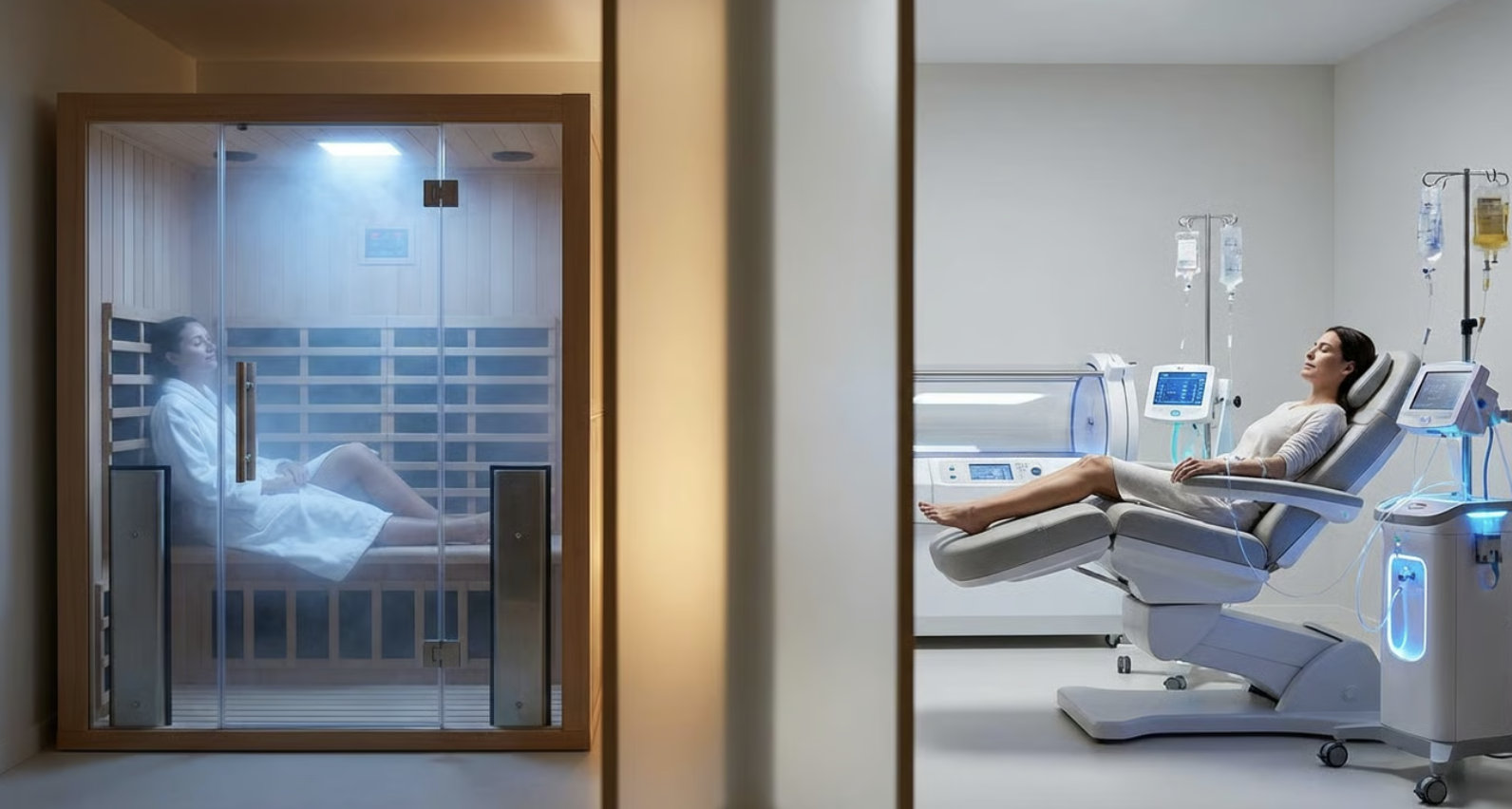
When compared to Hyperbaric Oxygen Therapy (HBOT) or standard infrared saunas, the ozone sauna occupies a unique middle ground. While HBOT uses pressure to force oxygen into plasma and infrared uses light to heat the body, ozone sauna combines heat with a chemical signal (ozone) to trigger a biochemical response. It offers a more active stimulation of the immune system than a standard sauna, but is less time-consuming and expensive than HBOT.
The distinct advantage of the ozone sauna is its whole-body, transdermal approach. Because the skin is the largest organ of elimination and absorption, treating the entire body surface allows for a comprehensive systemic effect. This method is often perceived as more relaxing and less clinical than intravenous methods, making it an approachable entry point for many people seeking oxidative therapies.
Common Misconceptions About Ozone Therapy
A very common fear is that ozone is toxic because we hear about it in the context of ground-level smog and air pollution. It is true that ozone is a pollutant when mixed with nitrogen oxides and breathed into the lungs, but medical ozone is pure and generated from medical-grade oxygen. The context changes everything; just as water can drown you but is essential for life, ozone is harmful to lungs but therapeutic for skin and blood.
It is vital to clarify the difference between uncontrolled environmental exposure and precise therapeutic application. In a clinical setting, the dosage, concentration, and route of administration are strictly controlled to harness the biological benefits without the risks associated with pollution. Understanding this distinction helps alleviate the fear that often surrounds the word "ozone."
Future Research Directions
The field of oxidative medicine is rapidly evolving, with ongoing trials investigating new applications for oxidative stress management. Current research, such as studies registered under identifiers like NCT07171762, continues to explore how therapies involving oxidative modulation can treat complex diseases. These studies are crucial for validating the mechanisms we currently understand and discovering new pathways.
However, there is still a strong need for more Randomized Controlled Trials (RCTs) specifically focused on the ozone sauna method. While we have ample data on systemic ozone (IV) and topical applications, high-quality human trials on the sauna modality will help standardize protocols and solidify its place in mainstream integrative medicine. As science progresses, we can expect even more refined guidelines for its use.
Conclusion
To wrap things up, the science behind ozone sauna therapy lies in its ability to induce a mild, controlled oxidative stress that paradoxically strengthens the body's defenses. By exposing the skin to ozone in a hot environment, we trigger the release of lipid oxidation products, which travel through the body and wake up the Nrf2 pathway. This process kickstarts the production of powerful internal antioxidants like SOD and glutathione, helping to repair cellular damage and reduce chronic inflammation over the long term.
The evidence supports that when used at the right hormetic dose, ozone therapy is a safe and effective tool for managing conditions ranging from ischemia to chemotherapy toxicity. The key takeaways are clear: (1) The hormetic effect turns on the body's natural antioxidant factories; (2) It shows promise for chronic diseases and improving recovery; and (3) Safety is strictly dose-dependent—low concentrations protect and heal, while high concentrations can harm. 🛡️
If you are struggling with chronic inflammation or looking to optimize your cellular health, it is worth consulting a qualified practitioner to see if ozone sauna therapy is right for you. Experts, such as those at The Nature Doctors, can help guide you through safe protocols tailored to your specific needs. Stay curious and keep an eye on emerging research, as our understanding of how to harness the power of oxidative stress for wellness continues to grow.
Frequently Asked Questions (FAQ)
What is the main mechanism of ozone sauna on oxidative stress?
The main mechanism is a process called oxidative preconditioning. The ozone creates a mild, controlled stress on the body that triggers the upregulation of the body's own antioxidant systems, making cells stronger and more resistant to future damage.
Is ozone sauna safe for regular use?
Yes, ozone sauna therapy is generally considered safe for regular use when protocols are followed correctly. As long as the ozone concentration is kept within the therapeutic window and you do not have specific contraindications, it can be a beneficial part of a wellness routine.
How does ozone sauna differ from a regular sauna?
While a regular sauna relies solely on heat to sweat out toxins, an ozone sauna adds ozone gas to the mix. This addition allows for the absorption of oxygen species through the skin, providing systemic benefits like immune modulation and improved oxygen utilization that heat alone cannot achieve.
Can ozone sauna help with chronic diseases?
Evidence suggests that ozone sauna can be helpful for chronic diseases, particularly those involving inflammation and poor circulation. Studies on ischemia and inflammatory conditions show that ozone can help restore antioxidant balance and improve tissue function.
What is the optimal ozone concentration for saunas?
The optimal concentration for therapeutic effects typically falls within the physiological range of 20 to 40 μg/ml. This range is sufficient to trigger the beneficial hormetic response without overwhelming the body's antioxidant capacity or causing toxicity.