

Colon Hydrotherapy vs Enema: Which Is Better?
Understanding Colon Hydrotherapy
Colon hydrotherapy, often called a colonic or colonic irrigation, is a holistic method used to cleanse the large intestine. Unlike simple treatments that only reach the very end of your digestive tract, this process is designed to flush out the entire length of the colon. The main goal is to remove built-up waste, toxins, and gas that might be making you feel sluggish or bloated. Many people turn to experts, such as those at The Nature Doctors, to help improve their overall digestive health and kickstart a detoxification journey through this thorough cleansing method.
During a typical session, a trained therapist guides you through the process to ensure you are comfortable and safe. You will lie on a treatment table while a specialized device gently introduces warm, filtered water into your colon through a small tube. This water flows in and out repeatedly, helping to soften and loosen old waste matter. The entire appointment usually lasts between 45 to 60 minutes, allowing enough time for the water to circulate and clean effectively without rushing the body.
There are several potential benefits that make this procedure popular among wellness enthusiasts. After a session, many clients report feeling lighter, having better digestion, and experiencing significantly less bloating. Furthermore, by removing accumulated toxins, some people feel a noticeable boost in energy and mental clarity. It is a way to hit the "reset" button on your gut health, helping your body function more efficiently 🌿.
What Is an Enema?
An enema is a much simpler and older method primarily used to relieve constipation quickly. Instead of washing out the whole colon, an enema targets only the lower part of the large intestine, known as the sigmoid colon and the rectum. It is often used as a fast-acting solution when someone is struggling with bowel movements and needs immediate help to get things moving again. Because it is less invasive, it is a common first step for minor digestive issues.
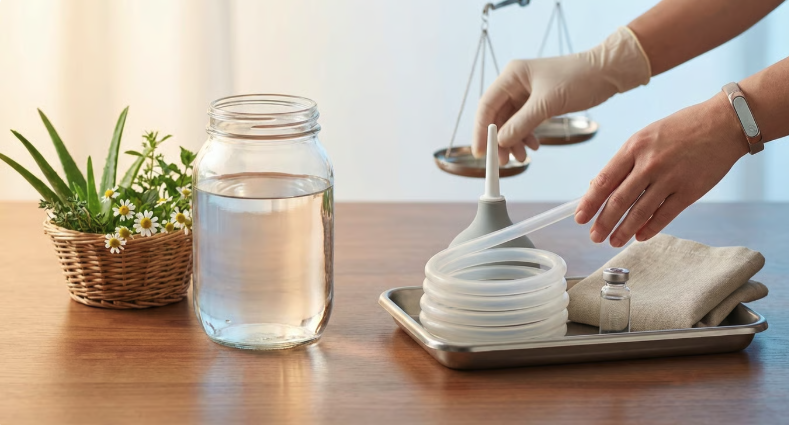
You can easily perform an enema in the privacy of your own home using a kit bought from a pharmacy. The process involves introducing a small amount of liquid—usually water, a saline solution, or sometimes coffee—into the rectum using a bag or a squeeze bottle. Once the liquid is inside, you hold it for a short period, typically about 10 to 20 minutes, before releasing it into the toilet. It is a quick process compared to other methods, but it requires you to handle the equipment yourself.
Key Differences in Procedure and Scope
The most significant difference between these two methods is how much of the colon they actually reach. Colon hydrotherapy is designed to cleanse the entire length of the colon, which is about five to six feet long. This means it can remove waste that has been stuck higher up in the digestive tract. On the other hand, an enema only reaches the lower portion, meaning it cleanses just the last foot or so of the bowel. Therefore, hydrotherapy is a full wash, while an enema is more of a spot clean.
Another major difference is the volume of water used during the process. In a professional colonic session, up to 60 liters of water might be cycled in and out of your body over the course of the hour. This large volume allows for a deep and thorough flush. In contrast, a standard enema uses a very small amount of liquid, typically between 1 and 2 liters at most. This smaller amount is enough to trigger a bowel movement but not enough to soak and clean the entire organ.
"Colon hydrotherapy offers a more thorough, full-colon cleanse and is ideal for those seeking long-term detoxification and digestive benefits." -Optimal Wellness
The way these treatments are administered also sets them apart completely. Colon hydrotherapy is a professional service that must be performed by a certified therapist in a clinic setting, like the services offered by The Nature Doctors. This ensures safety and proper monitoring. Conversely, an enema is almost always self-administered at home in your bathroom. While this offers privacy, it also means you don't have a professional there to guide the process or adjust the flow.
Finally, the experience regarding duration and mess is quite different. Hydrotherapy uses a closed system, which means waste travels through a tube directly into the sewer system, making it odorless and mess-free. The therapist also controls the pressure to ensure it is gentle. An enema, however, can be a bit messy since you have to rush to the toilet to release the liquid. Additionally, holding the liquid in during an enema can sometimes cause sudden pressure and cramping, whereas a colonic is a continuous, controlled flow 💧.
Effectiveness: Which Cleanses More Thoroughly?
When it comes to getting a deep clean, colon hydrotherapy is generally considered superior because of the continuous flow of water. Since the water is cycled in and out multiple times, it has the chance to hydrate, soften, and dislodge old, impacted waste that has been sitting in the colon for a long time. This method reaches areas that a standard home kit simply cannot touch, providing a comprehensive detoxification experience.
However, enemas are highly effective for their specific purpose: immediate relief. If your goal is simply to alleviate constipation that is happening right now, an enema works very fast. It stimulates the muscles in the rectum to contract and expel stool. While it doesn't offer the deep cleansing benefits of a colonic, it is incredibly efficient at solving the problem of a blocked lower bowel quickly.
Experts generally agree that for long-term gut health and thorough detoxification, hydrotherapy is the winner. Studies and health practitioners often point out that cleaning the full colon can help reduce the toxic load on the body more effectively than just emptying the rectum. While an enema is a tactical tool for a specific moment, hydrotherapy is viewed as a broader strategy for wellness.
Benefits of Colon Hydrotherapy
One of the primary benefits of colon hydrotherapy is powerful detoxification. By clearing out the colon, you may improve your body's ability to absorb nutrients from the food you eat. When the colon is clogged with waste, it can hinder the absorption of vitamins and minerals. A clean colon allows for better nutrient uptake and promotes regular bowel movements, helping you feel more balanced inside.
"Because water flows continuously in and out of the body, a much greater quantity of water, between 10 and 50 litres, is flushed through the colon." -Digestive Health Centre
Beyond digestion, there are other potential perks, such as weight loss associated with waste removal. It is not uncommon for people to carry several pounds of waste in their intestines, and flushing this out can lead to an immediate feeling of lightness and a flatter stomach. Additionally, since a large part of the immune system resides in the gut, keeping it clean can potentially support overall immune health 🛡️.
Long-term digestive improvements are also a common reason people choose this therapy. For those suffering from chronic issues like irritable bowel syndrome (IBS) or constant gas, regular sessions can help retrain the colon muscles to work better. Over time, this can lead to a healthier, more active digestive system that manages waste removal naturally and efficiently.
Benefits and Limitations of Enemas
The biggest advantage of an enema is that it provides fast, short-term relief from constipation. It is convenient, inexpensive, and can be done without leaving your house. If you are feeling backed up and uncomfortable, an enema can provide a solution in under 30 minutes. It is a handy tool to have in your medicine cabinet for occasional use when your digestion gets stuck.
However, enemas have clear limitations. Because they only reach the lower colon, they do not provide a full detox. They can leave behind a lot of waste higher up in the digestive tract. Furthermore, relying on them too often can be problematic; your body might get used to the stimulation and "forget" how to have a bowel movement on its own, leading to dependency.
Safety Considerations and Risks
Generally, both procedures are considered safe when they are done correctly. Colon hydrotherapy is very safe when performed by a certified professional using sterile, disposable equipment. The therapist monitors the water temperature and pressure to prevent any injury. Similarly, enemas are safe for most people if instructions are followed carefully and they are not used too frequently.
There are, however, some risks to be aware of. Both methods can potentially lead to dehydration or an electrolyte imbalance if used excessively, as they flush out fluids along with waste. There are also contraindications; for example, individuals with severe hemorrhoids, colon cancer, or recent bowel surgery should avoid these treatments. Pregnant individuals should also be very cautious and usually avoid colonics unless approved by a doctor.
"Colon Hydrotherapy cleanse the entire length of the colon. Enemas cleanse only the lower part of the colon, the sigmoid and part of the descending colon." -Fort Langley Colonics
Because of these factors, it is crucial to consult with a healthcare provider before starting any new cleansing routine. Whether you are considering a professional service at a clinic or a home kit, getting medical advice ensures that the method you choose is safe for your specific health history. Your safety should always come first 🩺.
Cost, Accessibility, and Convenience
When comparing costs, colon hydrotherapy is significantly more expensive. Because you are paying for a professional's time, specialized equipment, and a clinical setting, a single session can cost anywhere from $80 to over $150. In contrast, an enema kit can be purchased at a drugstore for a very low price, often under $20, and can sometimes be reused, making it a very budget-friendly option.
Accessibility is another factor to consider. To get a colonic, you need to live near a clinic that offers the service and book an appointment in advance. This might not be convenient for everyone. Enemas, however, are highly accessible. You can walk into almost any pharmacy, buy a kit, and use it immediately at home, making it the ultimate option for convenience and privacy.

Which One Should You Choose?
Your choice ultimately depends on your specific health goals. If you are looking for a deep cleanse to reset your digestive system, improve nutrient absorption, and detoxify your whole body, colon hydrotherapy is likely the better choice. However, if you are simply dealing with a bout of constipation and need quick, immediate relief, an enema is the most practical and effective tool for the job.
Consider the scenario you are in. If you have chronic digestive issues, fatigue, or skin problems, a series of professional colonics might be part of a broader wellness plan. On the other hand, if you are traveling and get constipated, or just had a few days of poor diet leading to a blockage, a simple enema is usually sufficient to get you back on track without the need for a clinic visit.
Finally, personal factors like your budget, time, and comfort level play a huge role. If you have the budget and time to dedicate to your health, the professional care at places like The Nature Doctors can be very rewarding. If you are on a tight budget or prefer to handle health matters privately at home, the enema is a reliable standby. Always listen to your body and choose what feels right for you.
Common Questions Answered
Is colon hydrotherapy painful?
Generally, colon hydrotherapy is not painful. Most people find the experience to be quite relaxing. You might feel a little bit of pressure or a sensation similar to the urge to have a bowel movement when the colon fills with water, but it should not hurt. The therapist is there to adjust the flow to keep you comfortable throughout the session.
Can I do colon hydrotherapy at home?
No, it is not recommended to try full colon hydrotherapy at home. True hydrotherapy requires sophisticated equipment to regulate water pressure and temperature safely, as well as a skilled therapist to operate it. While there are "home colonic boards" available, they are risky and do not offer the same safety or effectiveness as a professional clinic.
How often should I get a colonic?
The frequency depends on your individual health needs and goals. Some people do a series of sessions close together for a detox, while others go once a month for maintenance. However, it is generally advised not to overdo it. Your colon needs to maintain its natural muscle tone and bacteria balance, so consult with a professional to create a schedule that works for you.
Are enemas safe for regular use?
Enemas should not be used regularly over a long period. While they are safe for occasional relief, using them every day can cause your bowels to become dependent on them to function. This can lead to a condition where you cannot go to the bathroom without one. Moderation is key 🔑.
Does insurance cover colon hydrotherapy?
In most cases, health insurance does not cover colon hydrotherapy. It is typically classified as an alternative or wellness therapy rather than a medical necessity. However, it is always worth checking with your provider or checking if you have a health spending account that might cover holistic treatments.
Conclusion
To wrap things up, understanding the difference between colon hydrotherapy and enemas is key to making the right decision for your gut health. Colon hydrotherapy offers a comprehensive, full-colon cleanse that focuses on long-term detoxification and digestive vitality. It is a professional service that uses a large volume of water to flush the entire system. In contrast, enemas are a targeted, short-term solution ideal for relieving immediate constipation in the lower bowel. They are convenient and cheap but lack the deep cleansing capabilities of a professional colonic.
Remember the key takeaways: Colon hydrotherapy involves up to 60 liters of water and professional supervision to clean the whole colon, while an enema uses about 1 to 2 liters for a shallow cleanse. While both have their place in health care, they serve very different purposes. Safety is paramount, so ensure you are not overusing enemas and that you seek qualified professionals for hydrotherapy. Always consult a doctor before starting these treatments to ensure they align with your health needs.
Ready to decide between Colon Hydrotherapy vs Enema? Assess your goals carefully—book a professional colonic session if you want a deep detox to revitalize your energy, or grab an enema kit if you just need fast relief from constipation. Prioritize your gut health today by consulting a healthcare provider to choose what is best for you.