
Questions about this topic? Book with Anand Amin, M.D.(IMG), DO(MP) or Dr. Aminder Singh, ND.
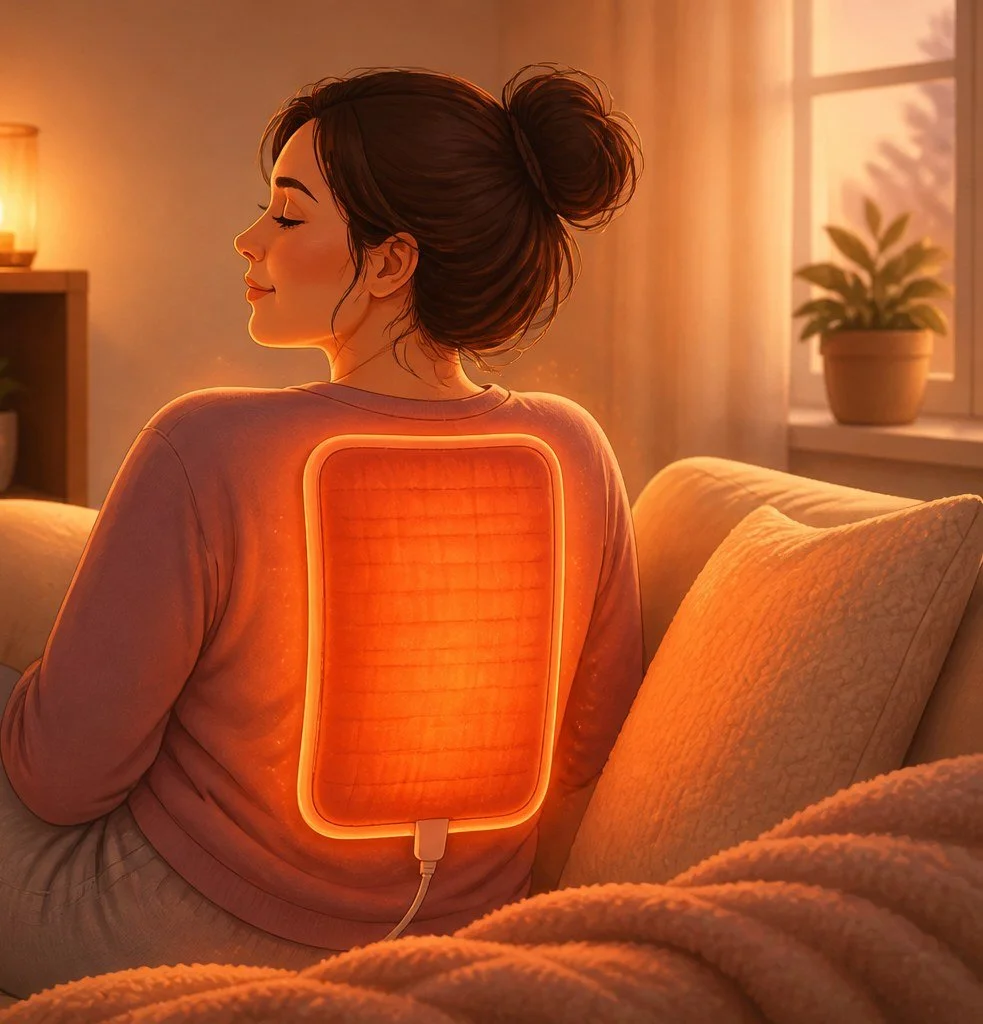
Local hyperthermia therapy applies gentle, controlled heat to one area of the body, such as the low back, neck, shoulder or knee, and holds it at a comfortable therapeutic temperature. At Nature Doctors in Winnipeg, we use it to ease muscle and joint pain and stiffness as part of a wider plan. We find and treat the root causes of your pain, and targeted heat is one of the tools that helps tissue relax and move again.
Key takeaways
Local hyperthermia warms one area of the body to a steady, comfortable temperature.
Heat relaxes tight muscles, increases blood flow and makes connective tissue more flexible.
Research supports heat therapy for low back pain and muscle soreness.
At Nature Doctors, local hyperthermia is used for muscle and joint pain. It is not a treatment for cancer or any other disease.
What is local hyperthermia therapy?
A heating pad warms the skin for a few minutes. Local hyperthermia uses an applicator that warms the tissue under the skin and holds a controlled temperature for the whole session, so muscles, tendons and the tissue around joints stay warm long enough to relax. It is different from whole-body hyperthermia, which Nature Doctors does not offer.
What it can help with
Neck, back and low back pain
Shoulder, hip and knee pain
Tight, knotted or spasming muscles
Stiff joints, especially in the morning or in cold Winnipeg weather
Muscle strain and sports injuries once the first swelling has settled
Chronic pain that has not eased with rest alone
Why heat works
Heat widens blood vessels in the warmed area, bringing more oxygen and nutrients to the tissue and carrying waste products away. It relaxes muscle fibres, makes connective tissue more elastic and calms the nerves that carry pain signals. Warm tissue also responds better to hands-on care, which is why we often pair hyperthermia with osteopathic manual therapy or acupuncture in the same visit.
What the research shows
A Cochrane review found moderate evidence that heat therapy reduces pain and disability in people with low back pain, and that adding exercise improves results further. The American College of Physicians clinical practice guideline lists heat among the first treatments to try for low back pain. A 2021 review concluded that continuous low-level heat relieves pain, improves muscle strength and increases flexibility.
What to expect at your visit
Assessment: your practitioner reviews your health history, examines the painful area and confirms that heat is suitable for you.
Treatment: the applicator is placed over the area and warms it at a controlled, comfortable temperature while you rest.
Hands-on care: the warmed tissue is often treated with osteopathic manual therapy or acupuncture.
Your plan: most people come for a short series of visits, with home advice to keep the area moving between them.
Who provides it
Anand Amin, M.D.(IMG), DO(MP) uses local hyperthermia alongside osteopathic manual therapy to help joints, muscles and fascia release. Dr. Amin is not licensed to practise medicine in Canada. Dr. Aminder Singh, ND uses it as part of naturopathic pain care that also looks at inflammation, nutrition, sleep and stress.
Is it safe?
For most people, yes. It should feel like deep, comfortable warmth, never hot. Your practitioner screens for situations where heat is not suitable, such as a fresh, swollen injury, reduced feeling in the skin, certain implants, pregnancy (over the abdomen) and some medical conditions. Local hyperthermia at Nature Doctors is used for muscle and joint pain only; it is not a treatment for cancer or any other disease.
Ready to ease the pain?
Learn more on our hyperthermia therapy page, book with Anand Amin, M.D.(IMG), DO(MP) or Dr. Aminder Singh, ND, or call (204) 943-6079.