
Key takeaways
Appetite, taste and energy can change during treatment, and eating well often means eating flexibly rather than perfectly.
Small, frequent meals and easy, protein-rich snacks are what many of our patients find most manageable.
A naturopathic visit can look at your food, your blood work and any supplements in the context of the treatment you have chosen or been prescribed.
This is supportive care for comfort and wellbeing. It sits alongside your treatment and never replaces it.
If food has started to feel like a chore, you are in good company. Many of the people we see tell us that the hardest part of eating during treatment is not knowing what will sound good by dinnertime. Here is how we usually think about it with them.
Ready to talk it through? Book a naturopathic assessment at Nature Doctors or call 204-943-6079.
Why does eating feel so different during treatment?
Nausea, a sore mouth, metallic or flat tastes, and plain tiredness can each take the pleasure out of a meal. Together they can make even a favourite food unappealing. None of this is a personal failing. Our starting point is always the same: nourishment you can manage, on the energy you actually have today.
What helps when your appetite is low?
These are the ideas we offer most often, and the ones patients tell us they actually use:
Swap three big meals for five or six small ones, and keep something within arm's reach.
Have your biggest meal at the time of day you feel best, even if that is breakfast.
Lean on drinkable calories and protein, such as smoothies, fortified milk or a thin soup you can sip.
Try a short walk before eating if you feel up to it. For some people it nudges appetite along.
Cold or room-temperature foods often smell less strongly than hot ones, which can help when nausea is the problem.
How do you keep meals easy on low-energy days?
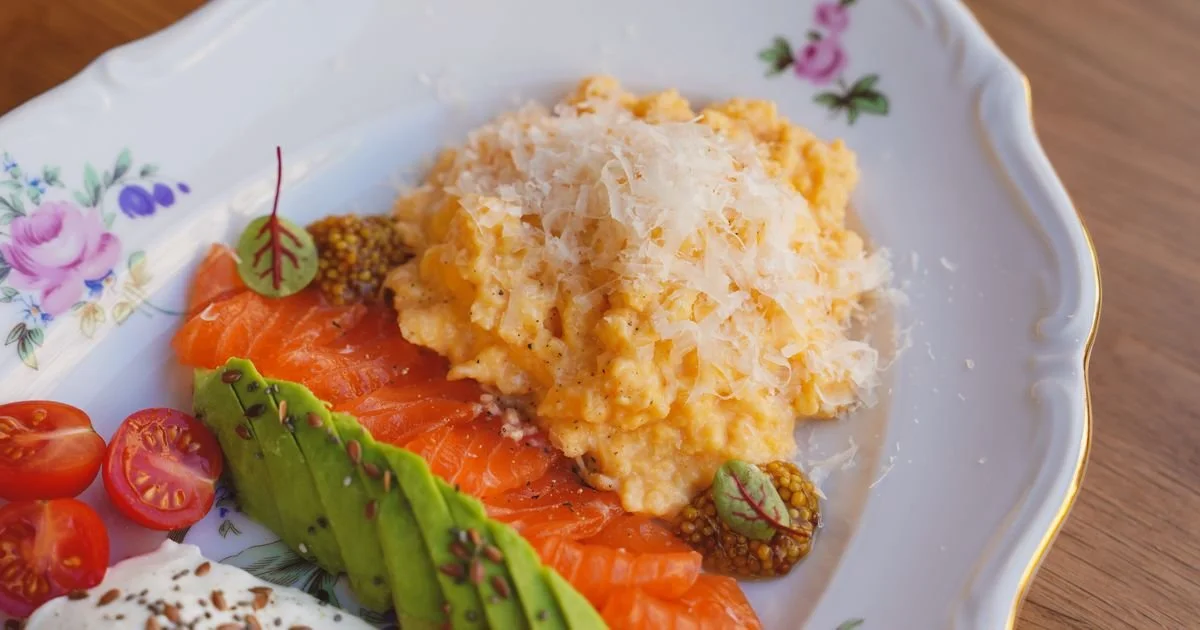
Plan for the days you will not feel like cooking. Make a big pot of soup or stew on a good day and freeze it in single portions. Keep yogurt, eggs, crackers, cooked grains and fruit in the house. When a friend asks how they can help, "a meal I can reheat" is a very useful answer. If a food suddenly tastes strange, set it aside and try it again in a week. Tastes often shift back.
What happens at a nutrition-focused visit with us?
Mostly, we talk. Your naturopathic doctor, such as Dr. Aminder Singh, ND or Dr. Sara Korsunsky, ND, will ask what you have been eating, what is getting in the way, and where you are in your treatment schedule. We build the plan around your energy, not around an ideal menu. It is part of our oncology support.
Where it would be useful, we may suggest proper blood work and functional lab testing, for example to look at nutrient status such as iron, B12 and vitamin D, along with inflammation markers and blood sugar. In plain language, these results help us see where your body may need more support, and we go through them with you at a follow-up visit so they are easy to understand.
What should you bring?
A written list of everything you take, including prescriptions, over-the-counter products and teas
A few notes on what you have eaten lately and what has been hard
Any recent blood work you already have
Your treatment dates, so we can plan around them
How do we handle supplements and IV therapy?
Carefully, and one at a time. Some herbs and supplements can interact with cancer treatments, so we do not guess. Your naturopathic doctor reviews every supplement, IV therapy and other therapy as part of your personalized plan, with a close look at possible interactions with your treatment. We never present any supplement or IV as treating cancer. Our dispensary carries professional-grade products, and some require a plan with one of our naturopathic doctors first.
What does the research say?
The evidence is strongest for practical, everyday strategies like small frequent meals, protein and good mouth care, and these are widely recommended by Canadian cancer organizations. Research on supplements and other complementary approaches during treatment is more limited and mixed, which is why we review them individually and keep the focus on comfort, nutrition and quality of life rather than on the cancer itself. For general eating guidance during treatment, the Canadian Cancer Society and Unlock Food from Dietitians of Canada are good Canadian starting points.
Frequently asked questions
Is it okay to eat only what appeals to me for a while?
For many people, yes. Flexibility is usually more useful than rules when your appetite is unpredictable.
Will you ask me to change my treatment or stop anything?
No. Our care is supportive and works alongside the treatment you have chosen or been prescribed.
I live outside Winnipeg. Can I still be seen?
Yes. We offer virtual naturopathic appointments across Manitoba.
What if I already work with a dietitian?
That is fine. Our visits are supportive and look at your whole plan, including food, blood work and supplements.
How soon should I come in?
Sooner gives us more to work with, but there is no wrong time to start.
Safety note: If you have a fever during cancer treatment, trouble breathing, chest pain, or you cannot keep fluids down, call 911 or go to the nearest emergency department right away.
Ready for a gentler way to think about food?
Talk through your eating and your supplement list with Dr. Aminder Singh, ND or Dr. Sara Korsunsky, ND. Book online with Nature Doctors, call 204-943-6079, or visit us at 7-1200 Waverley Street, Winnipeg.
Further reading (Canadian sources)
Canadian Cancer Society: https://cancer.ca
Unlock Food, Dietitians of Canada: https://www.unlockfood.ca
Health Canada, Natural Health Products: https://www.canada.ca/en/health-canada/services/drugs-health-products/natural-non-prescription.html